
DFW's most unwanted pests.
Know the suspects. Spot the signs. Learn how to keep them out.
Browse the pest guide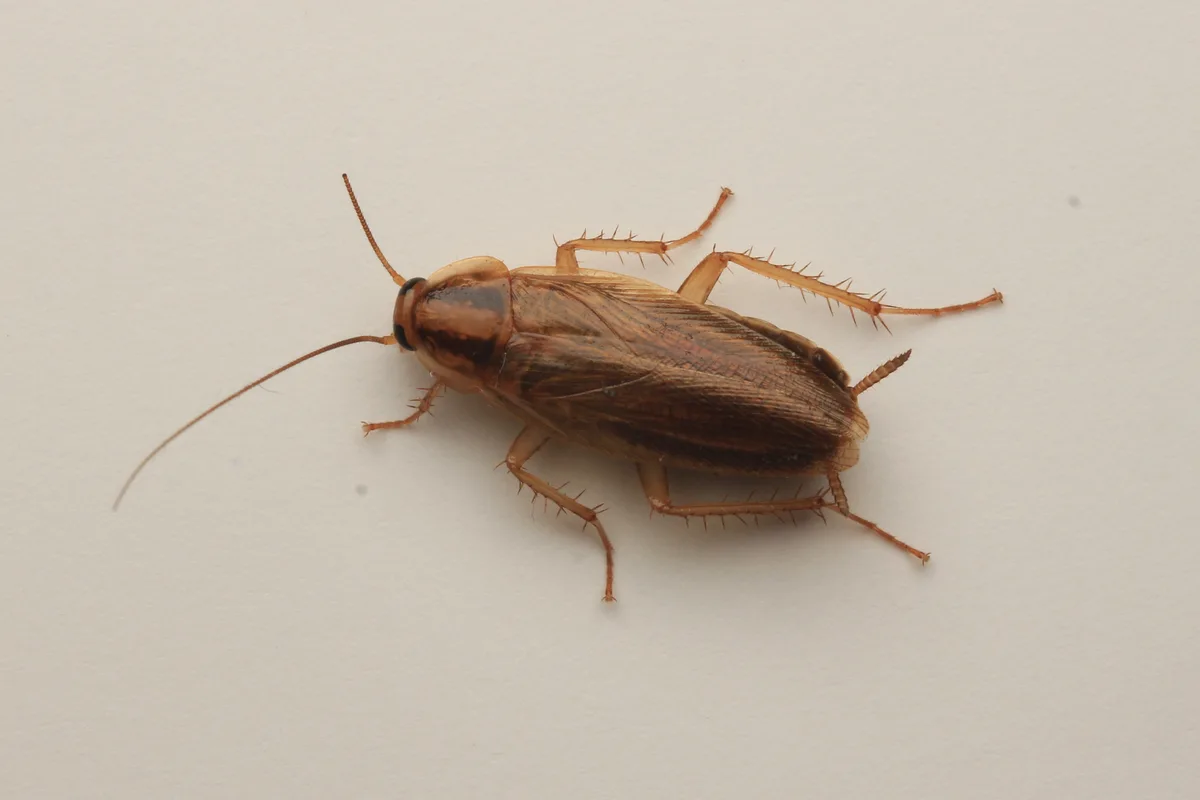


)_(35549913493)_(cropped).jpg)


German cockroach, 1 of 6
A plan for your home
See how inspection, pest control and seasonal checks fit together.
Inspect
Identify the pest and look for entry points, food, moisture and shelter.
Choose the right control
Start with prevention. Match any treatment to the pest and follow the product label.
Check through the seasons
Monitor for new activity and revisit repairs as conditions change.
Recent Articles
The latest pest advice for DFW homes, plus some of our most-visited guides.
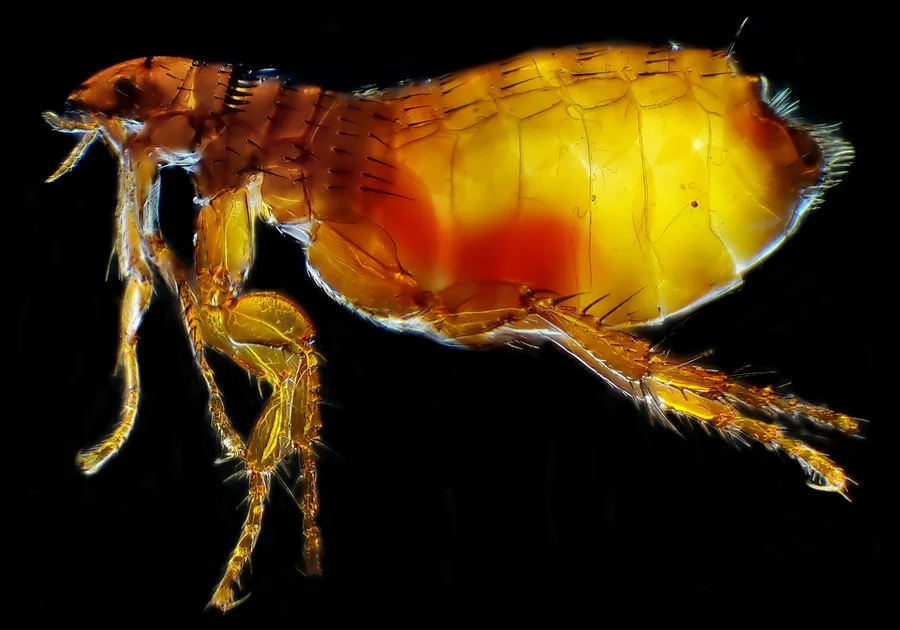
Why fleas appear in a DFW home with no pets
Fleas can emerge in a pet-free home after vacancy or come from an unnoticed animal host. Learn how to confirm the insect, investigate room patterns and choose safe follow-up.
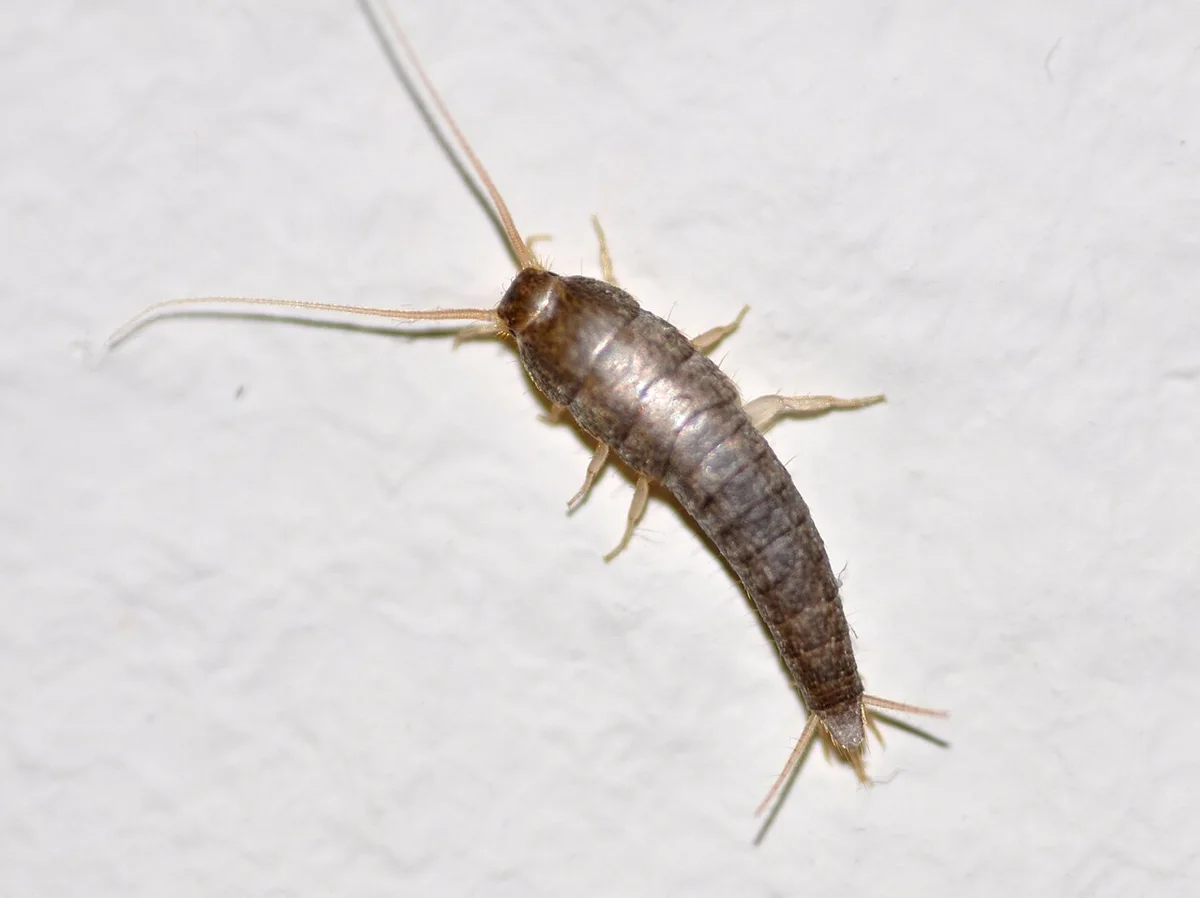
Silverfish in books: protect your home library without damaging it
Found silverfish or damaged pages? Learn how to inspect, isolate and monitor books, reduce moisture, and avoid pest treatments that can harm a DFW home library.
Bug bombs for roaches: why DFW homes need a different first step
Bug bombs are not a reliable first response to German cockroaches. Learn their control limits, fire and exposure risks, and what DFW renters and homeowners can do instead.
Meet the usual suspects.
Browse by pest type, then choose a suspect to open its dossier.
Roaches
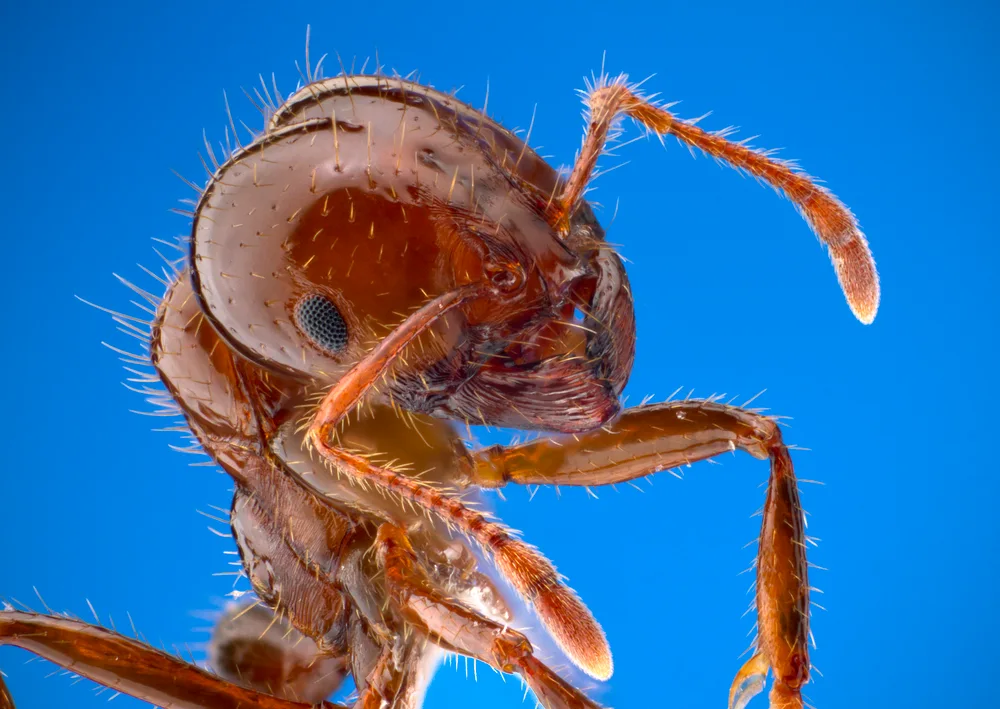
Ants
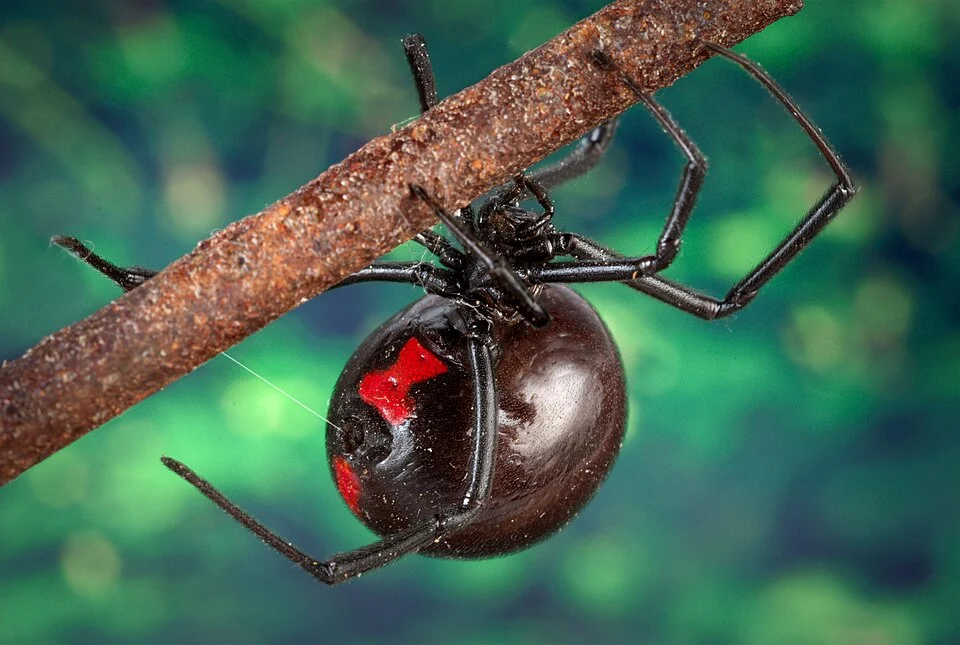
Spiders/scorpions
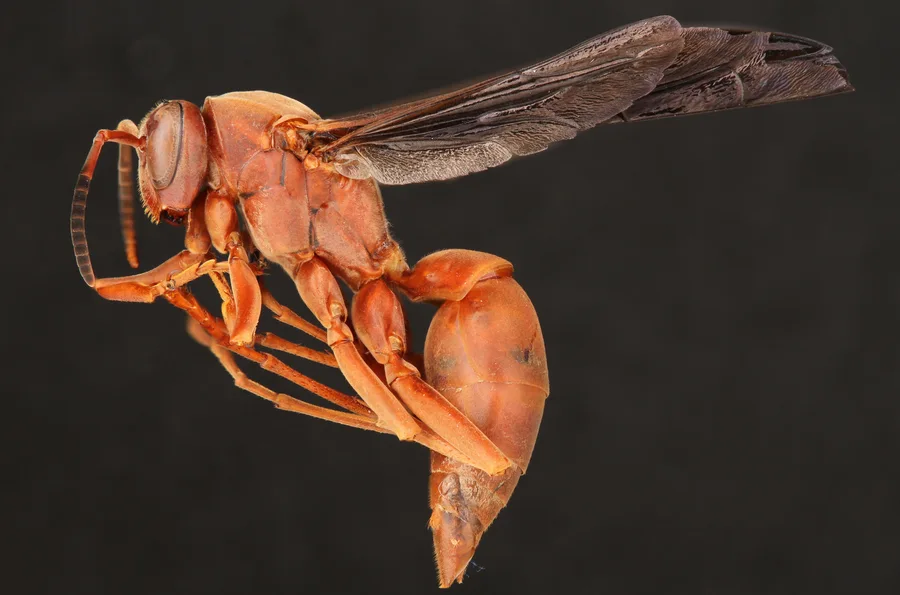
Stinging insects
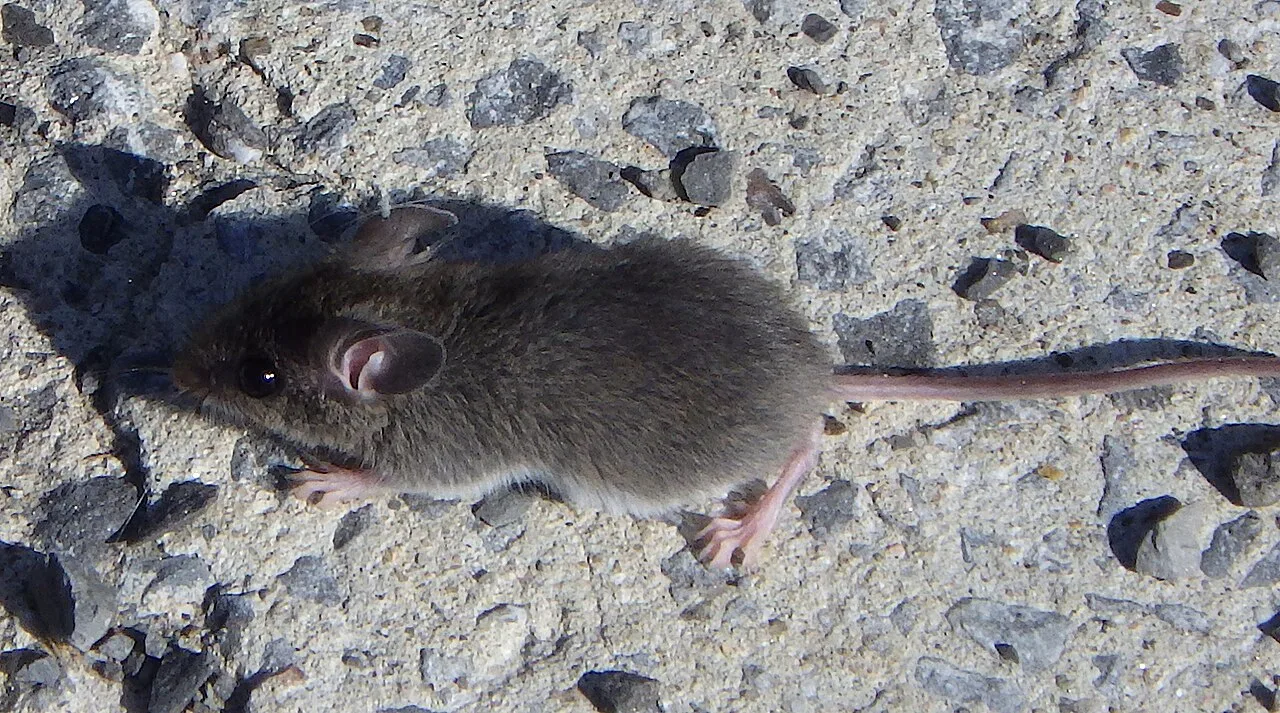
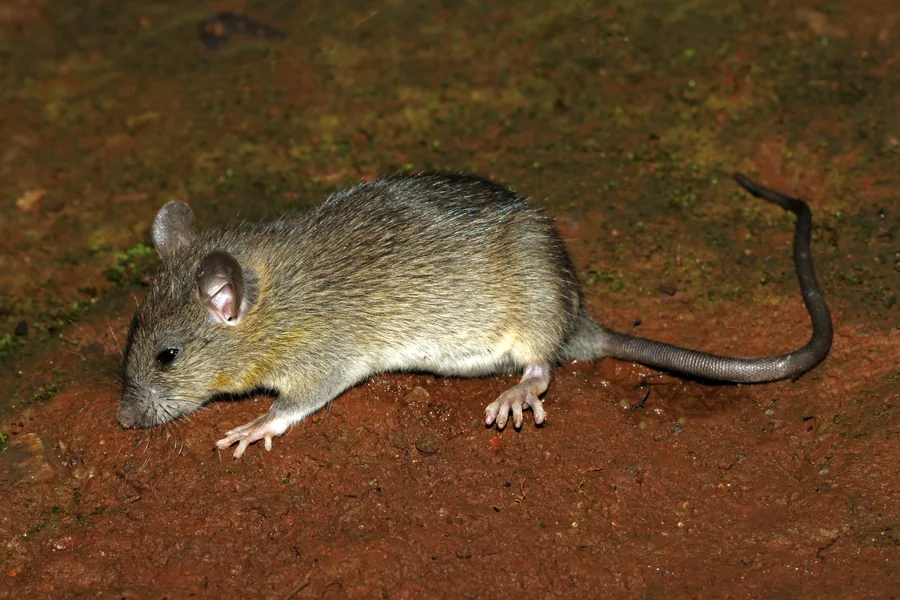
Mice/rats
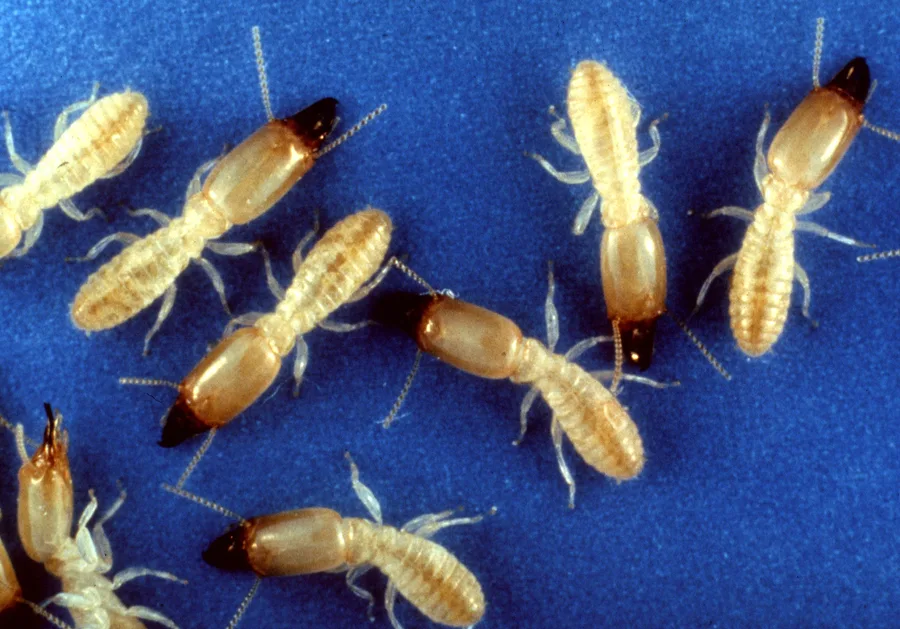
Termites
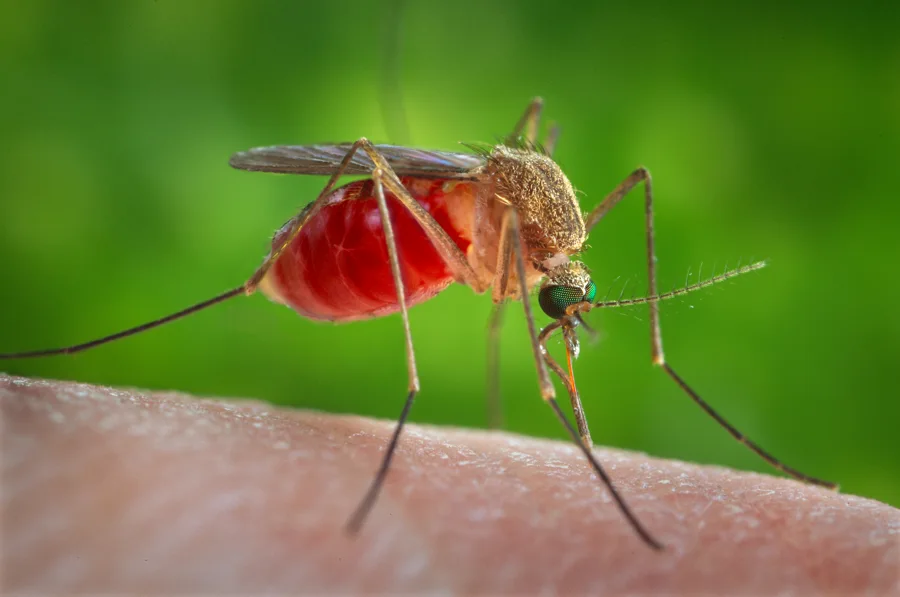
Mosquitoes
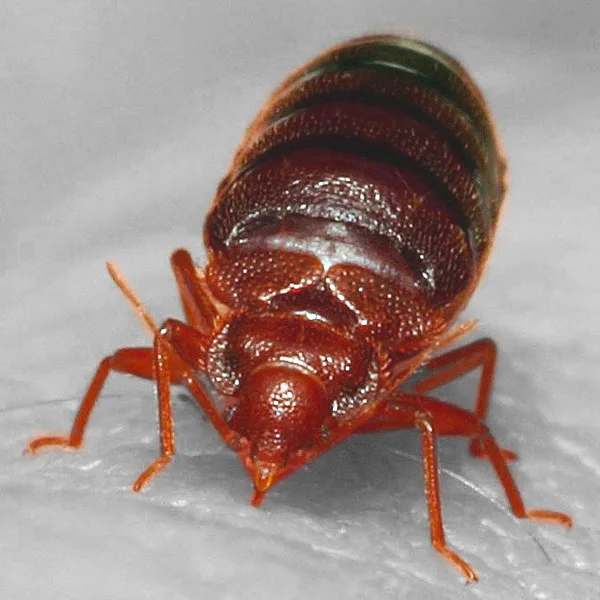
Bed bugs
Fleas/ticks
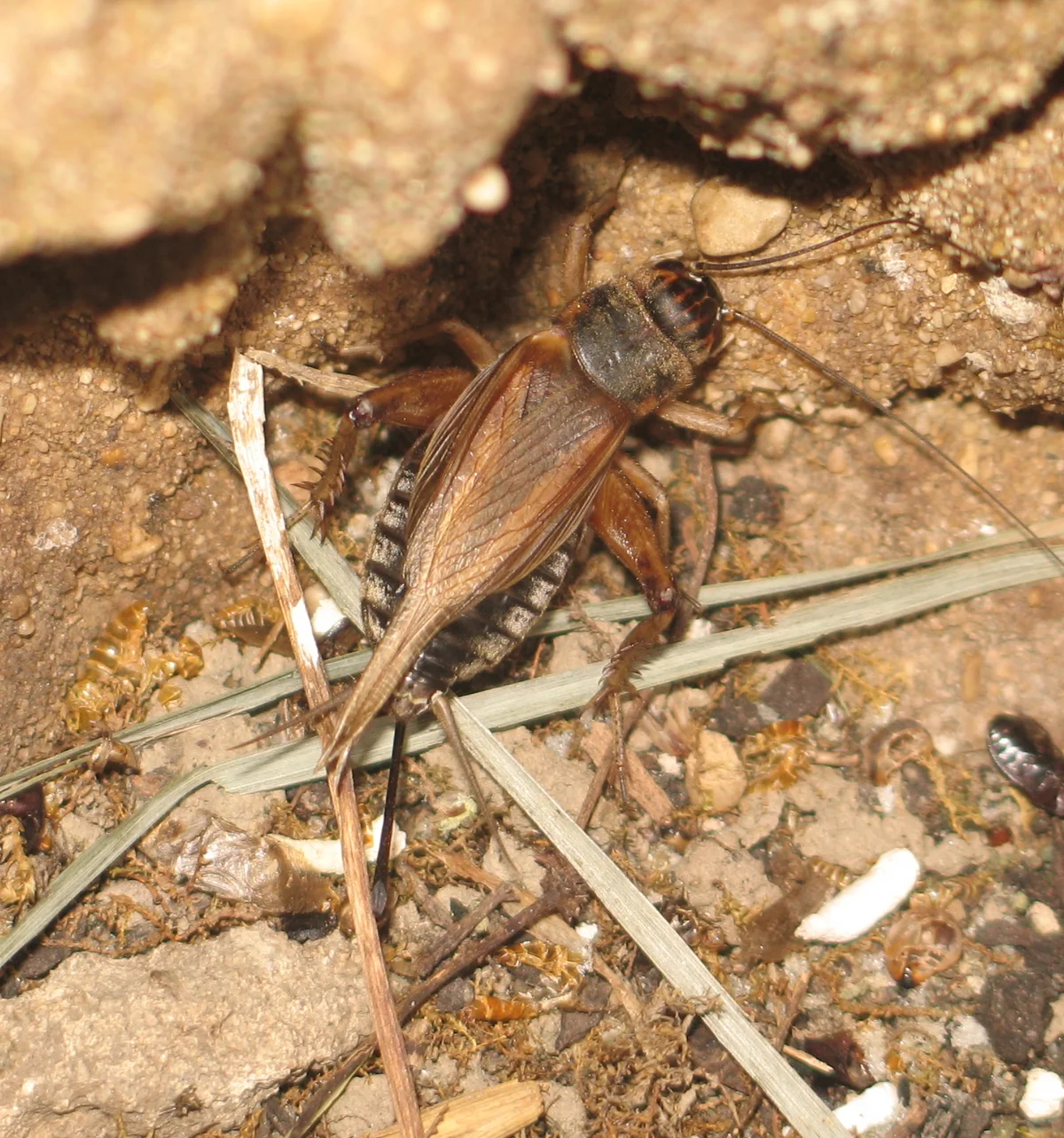
Other household pests
Photographs show representative species for each group. Look-alikes are common, so confirm with each dossier's identification notes. Photo credits

Seasonal watch
DFW weather changes. Use each season as a cue to check food, water, shelter and entry points.

Walk the perimeter.
Use spring cleanup to check the places pests could enter or shelter.
- Inspect screens, door sweeps and gaps around pipes.
- Repair leaks and remove containers that collect water.
- Clear clutter and debris near the house.
These are maintenance reminders, not fixed pest-activity dates. Indoor pests can persist across seasons. Based on EPA prevention guidance and the sources linked in the dossiers.
Control basics
A smarter plan than more spray. Good control addresses why the pest is there.
Name the suspect
Identify the pest, learn the damage it can cause and confirm where it is active before choosing a treatment.
Identify the pestRemove the invitation
Start with prevention. Reduce food, water and hiding places, and repair gaps and screens where appropriate.
Prevention guidesChoose the smallest effective step
Use monitoring and suitable nonchemical methods first. If a pesticide is needed, follow its label.
Use treatments safely
Read before you treat
Chemicals have limits and risks. “More” is not a substitute for the right product and placement. Based on EPA pest-control guidance.
Pesticides and unwanted consequences
Wrong placement can expose children, pets or other animals. Never use outdoor-only products indoors or transfer pesticides into food containers. Follow the label, including amounts, protective equipment and re-entry instructions.
Cockroach baits and sprays
Baits and dusts are different product types with different placement rules. Do not spray over bait placements. The cockroach dossier covers example ingredients and precautions.
Rodents and wildlife need different plans
A mouse-control plan is not a raccoon-control plan. Start with food and access. Wildlife exclusion may require checking for young animals and local handling rules. Read the raccoon dossier before closing an occupied opening.
Open a pest dossier
Identification, the damage they can cause, control options and precautions. Plain facts for every suspect.
23 dossiers shown
- An indoor suspect. Learn the identifying marks, food and moisture fixes, and bait options.
- A large outdoor suspect. Check drains, damp hiding places and the way indoors.
- A damp-ground suspect. Check crawl spaces, drains and gaps before reaching for spray.
- An outdoor suspect with two looks. Inspect meter boxes, slab joints and incoming plants.
- Small openings can mean big trouble. Start with exclusion, sanitation and careful trapping.
- An overhead suspect. Inspect roofline access, remove food and plan protected trapping.
- A ground-level suspect. Check burrows, reduce rubbish and close accessible entry routes.
- A yard suspect with a sting. Identify the mound and understand the Texas two-step.
- A kitchen-trail suspect. Find the route, remove food and look beyond the workers.
- A wood-void suspect. Check moisture and nesting signs before blaming termites.
- A hidden wood suspect. Check swarmers and mud tubes, then get an informed inspection.
- An eave-nesting suspect. Observe the nest from a distance and reduce sting exposure.
- A hidden-nest suspect. Watch ground and wall openings without disturbing the colony.
- A mud-building visitor. Recognize the nest and know when leaving it alone makes sense.
- A standing-water suspect. Drain breeding sites and follow local West Nile guidance.
- A hitchhiking suspect. Inspect travel gear and sleeping areas; sprays alone miss the job.
- A pet-linked suspect. Coordinate the animal, bedding and home rather than spraying alone.
- A blood-feeding suspect. Check pets and outdoor clothing, then reduce sheltered habitat.
- A light-attracted suspect. Tell fall field-cricket flights apart from indoor house crickets.
- A humidity-and-paper suspect. Protect stored goods, repair leaks and inspect dark corners.
- A quiet storage suspect. Reduce contact risk, confirm the spider and inspect undisturbed spaces.
- A sheltered-web suspect. Inspect woodpiles and garage corners without touching the spider.
- A night-active shelter suspect. Inspect gaps, stored wood and hot-attic entry routes.


