Pest dossier · Roaches
Oriental cockroaches
A damp-ground suspect. Check crawl spaces, drains and gaps before reaching for spray.
Last updated October 3, 2026
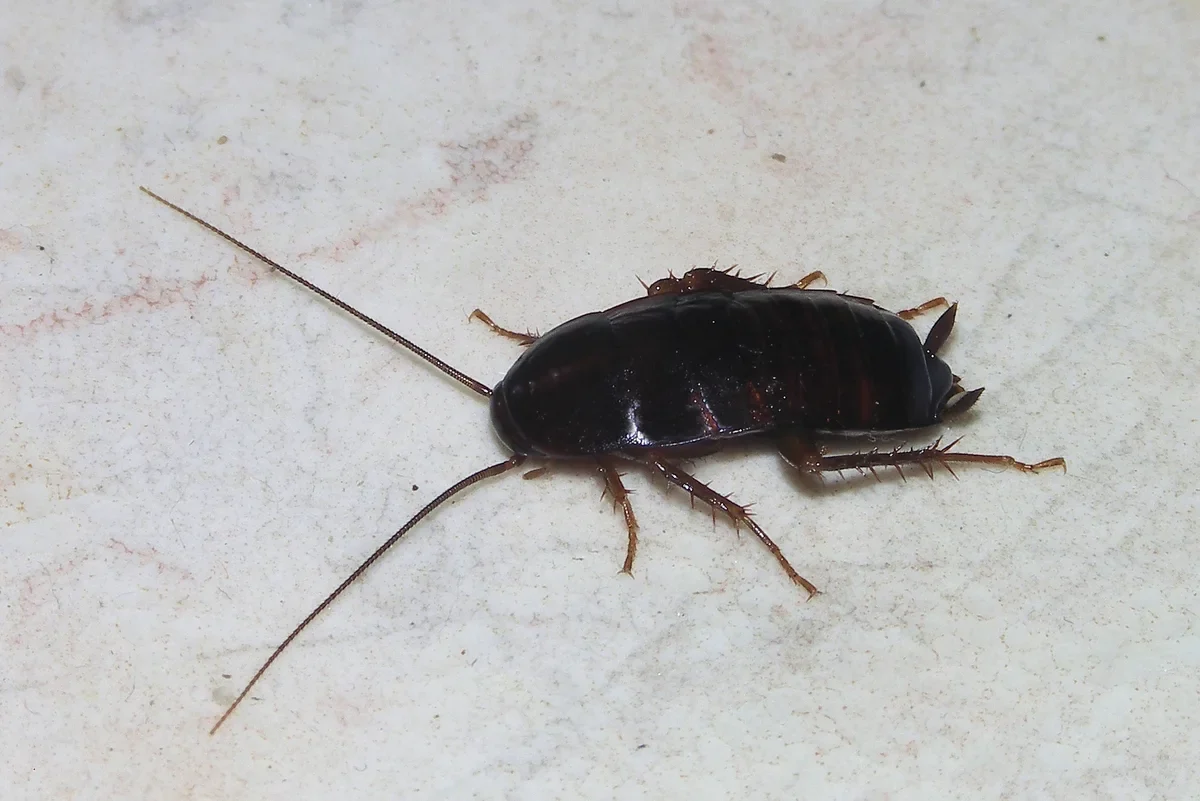

Nest and infestation identification
Look for activity around cool, damp ground-level shelter, not a constructed nest. Oriental cockroaches often use drains, crawl-space shelter and outdoor debris.
What to look for
- Repeated dark-bodied roaches, nymphs, discarded egg cases and fecal spotting in protected edges.
- Activity associated with wet cardboard, leaks or accumulated organic debris.
- Food contamination rather than distinctive structural wood damage.
Where to inspect
Inspect accessible garage corners, foundation openings, door sweeps and plumbing routes. Leave unsafe or confined crawl spaces to a qualified inspector.
What can fool you
Female Oriental and Turkestan cockroaches can be confused. Confirm the actual roach's wing and body markings. A dark pellet or musty smell alone does not identify the species or establish an active infestation.
Check safely
Photograph the roach and its location, and use protected monitors along likely travel edges. Correct moisture while continuing to monitor. Do not assume a dry-looking egg case is new or an empty trap rules out activity.
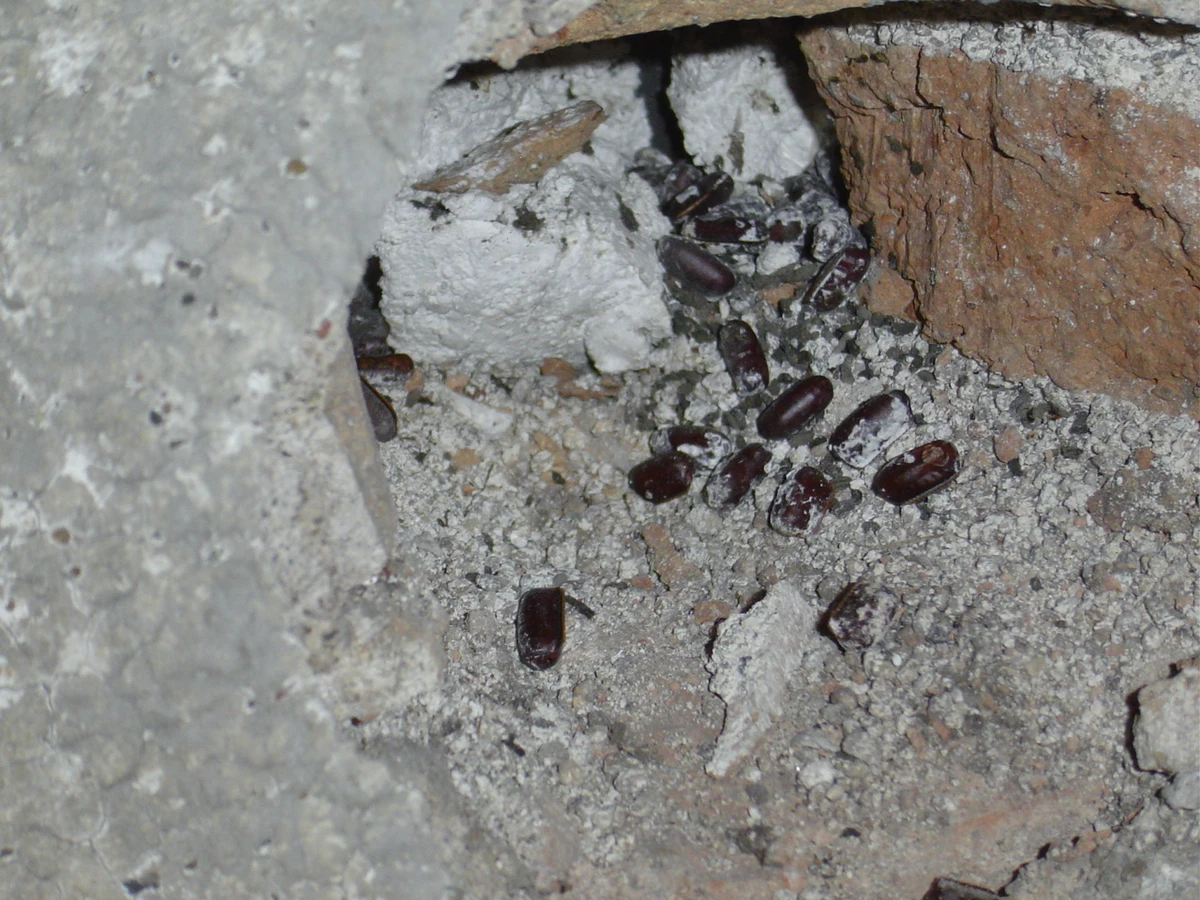

Oriental cockroach control starts with reducing moisture and closing ground-level entry routes. Inspect the source before treating a garage or crawl space, because an outdoor visitor needs a different plan from an indoor German roach.
Know the suspect
Adults are dark brown to black and about 1 1/4 inches long. They do not fly; males have wings covering only part of the body and females have much smaller wings. They prefer cooler, damp ground-level sites. In DFW homes, inspect wet crawl spaces, garages and drains rather than assuming every large black roach is this species. Drains and door gaps can provide access. Texas A&M identification guide
Compare the actual animal and its markings with an Extension identification guide.
What they can do
Roaches can contaminate surroundings and leave allergens associated with asthma. Their presence deserves attention, but it does not diagnose disease or show how long a household has had a problem. Texas A&M cockroach overview
Start with control, not a spray
- Repair plumbing leaks and improve drainage near the foundation.
- Keep drain P-traps filled with water to maintain the sewer barrier.
- Replace worn door sweeps and inspect ground-level utility penetrations.
- Remove wet cardboard and reduce damp debris near the building.
- Place sticky monitors along walls near activity, where children and pets cannot reach them.
Track sightings by location. Moisture repair and exclusion support control; monitors alone may not resolve an established population. Texas A&M guidance
Chemicals you may encounter
Boric acid is an example named in Extension cockroach guidance; hydramethylnon appears in its bait overview. Ingredient names do not make a product suitable for every crawl space or garage. Avoid exposed dust on shelves and counters and do not spray over bait placements. Extension ingredient overview
The label is the law. Use a product labeled for the actual pest and location, and follow its directions for placement, amounts, protective equipment and re-entry. Keep products and treated areas away from children and pets as the label directs. Never use an outdoor-only pesticide indoors or assume more product works better. EPA pesticide safety
Seasonal watch
Use cooler-month North Texas maintenance checks to inspect damp garages and crawl spaces. Oriental roaches prefer cooler sites, but that does not mean they appear only in winter. A leak or repeated sighting deserves inspection whenever it occurs. Texas A&M guidance
When to get help
Repeated activity after moisture and entry repairs warrants an assessment from a qualified, licensed pest professional. Leave unsafe crawl-space access or drainage defects to someone equipped to investigate them.
This field guide is educational and does not offer treatment bookings.
Common treatments
Fix leaks, seal entry points and remove food and shelter first. Labeled cockroach baits and targeted dusts may support that work. Keep dust off exposed shelves and food-contact surfaces, and do not contaminate bait placements with sprays. These ingredient examples do not authorize treatment of a drain or utility enclosure.
Ingredient references
These are examples discussed in pest guidance, not a shopping list. The exact product label must cover the pest, location and use. An ingredient name alone does not establish suitability or Texas registration.
Read the pesticide-label guide or browse the treatment catalog.
Common questions
Can Oriental cockroaches fly?
They do not fly. Males have wings covering only part of the body and females have much smaller wings.
Where should I inspect first?
Inspect cooler, damp ground-level sites, including wet crawl spaces, garages and drains.
Are they only a winter pest?
No. They prefer cooler sites, but a leak or repeated sighting deserves inspection whenever it occurs.
Field notes on this suspect
- Field notes · IdentificationBig roaches after a storm are usually outdoor species flushed from wet hiding spots. Small striped ones point to German cockroaches indoors.
- Field notes · PreventionA ground-level walkthrough of ten home entry points, with repair priorities that keep ventilation, drainage and appliance exhaust working.
- Field notes · PreventionTrace persistent moisture from indoor plumbing to gutters and yard drainage, then assign repairs without blocking airflow or treating every damp spot with pesticide.
- Field notes · PreventionA yard-to-wall walkthrough of vegetation, mulch, stored wood, irrigation and outdoor food sources that can hide or support pest access.