Field notes · Prevention
10 pest entry points to check around a DFW home
A ground-level walkthrough of ten home entry points, with repair priorities that keep ventilation, drainage and appliance exhaust working.
Updated October 4, 2026 · 4 min read
_2732.jpg)
The short version
- Check doors, screens, utility openings and damaged exterior materials before reaching for a pesticide.
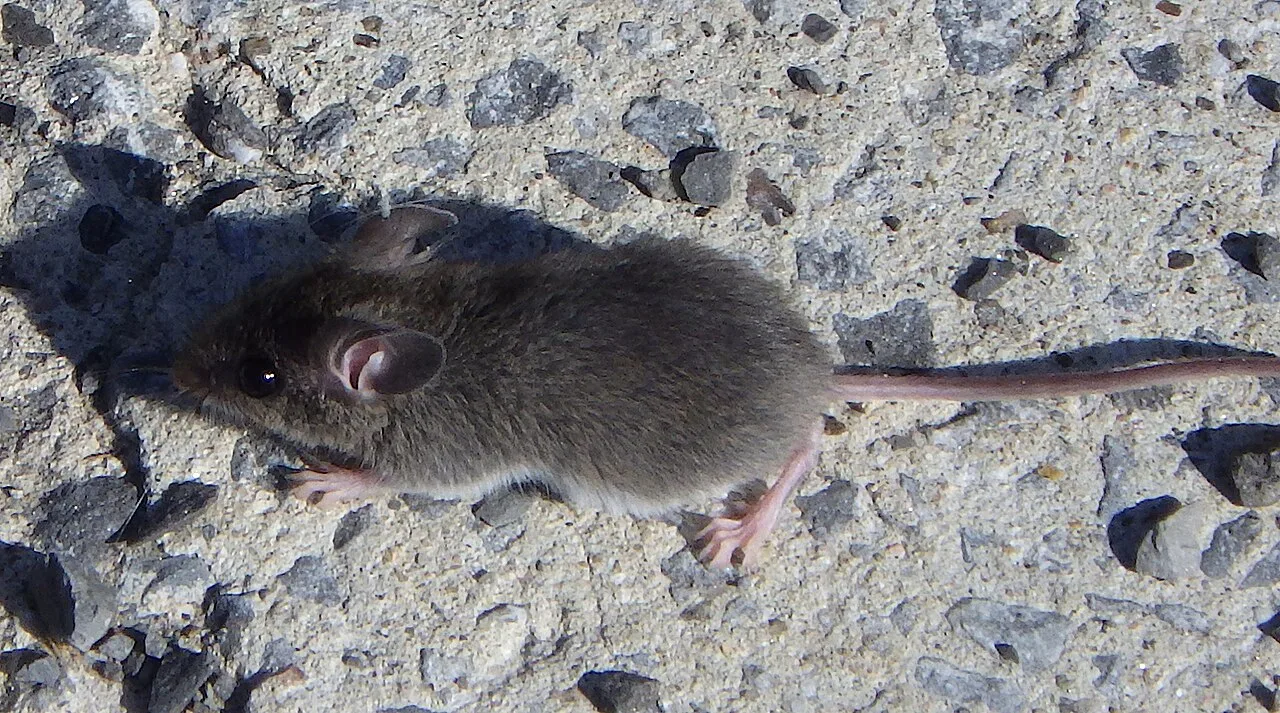
- A mouse can fit through a quarter-inch opening, but smaller insects need attention too.
- Brick weep holes, ventilation openings and exhausts must keep doing their jobs.
- Use durable, compatible repair materials; foam alone is not a complete rodent barrier.
- High roofline work, utility hazards and active pest infestations need qualified help.
Check door seals, window screens, utility penetrations and damaged exterior materials to reduce pest entry. Work around the house at ground level, photograph each defect, and separate simple repairs from work that needs a qualified contractor. Do not seal every opening you find. Brick weep holes, ventilation openings and appliance exhausts have jobs that must remain functional.
This is a whole-home repair checklist, not an infestation treatment plan. Sealing access can reduce future entry without removing pests already inside. The National Pesticide Information Center recommends identifying the pest, finding its route and removing food, water and shelter alongside exclusion.
How should you prepare for the walkthrough?
Choose daylight and dry footing. Bring a flashlight, phone and notepad. Start at the front door and follow the outside wall in one direction, then check corresponding indoor areas. Photograph the location and scale of each gap without inserting tools into utility equipment.
Weather can change pest pressure. Texas A&M AgriLife's account of the 2023 Texas drought describes insects and rodents seeking water or cooler conditions indoors. That is a reason for DFW homeowners to check after weather changes, not evidence that a particular month guarantees an invasion.
Which door and window openings should you check first?
-
Exterior door bottoms and edges. Close the door and look for daylight beneath the threshold or beside worn weatherstripping. Check whether the latch pulls it shut. Replace worn components with a compatible sweep or seal that allows normal opening and closing. CDC guidance notes that mice fit through a quarter-inch hole. A gap smaller than that is not automatically insect-proof.
-
Garage door edges and the door into the home. Inspect the bottom corners, side seals and threshold with the garage door closed. A damaged corner can remain open even when the middle looks tight. Repair seals or ask a garage-door technician about poor alignment. Do not adjust springs or cables as part of this checklist.
-
Window screens and frames. Look for tears, loose frames and spaces at the corners. Repair the screen and its fit rather than assuming the mesh alone provides protection. Inspect nearby trim for failed sealant. EPA's prevention guidance recommends repairing door and window screens. Keep window drainage channels and required escape windows functional.
Where should you look along walls and utility routes?
-
Plumbing penetrations. Check around outdoor hose connections and where pipes enter walls. Indoors, look behind accessible sink cabinets for gaps around supply and drain pipes. Distinguish the wall opening from the pipe itself. Seal a suitable dry gap without damaging the plumbing, and repair leaks separately.
-
Cable, electrical and gas penetrations. Look for missing collars or deteriorated seals around the wall opening from a safe distance. Photograph defects for the appropriate trade. Do not remove electrical covers, touch exposed conductors, move gas lines or pack materials inside equipment. An opening beside a utility is not permission to work on that utility.
-
Siding, trim and wall joints. Look for loose trim, damaged siding or an unintended opening where materials meet. Use a repair suited to the surface and movement of the joint. The Building America Solution Center describes compatible exterior sealants and durable reinforcement around penetrations. Widespread movement, soft wood or recurring cracks deserve building assessment, not repeated cosmetic caulking.
-
Brick weep holes and drainage gaps. Identify the deliberate openings near the base of brick veneer. Do not fill them with caulk, mortar or foam. AgriLife's termite guidance explains their structural role and warns against soil or mulch contacting them. If pest exclusion is needed, have a qualified building professional select a purpose-made barrier that preserves drainage and ventilation. Keep the openings visible for inspection.
Which vents and upper openings need special handling?
-
Attic and crawl-space vents or access covers. From a safe, accessible position, look for missing covers, damaged screening and loose edges. Replace damaged components with a compatible pest-resistant assembly that maintains required airflow. Do not turn a ventilated space into a sealed one as a pest repair. Avoid entering a tight crawl space or walking on attic surfaces without safe access.
-
Dryer and other exhaust outlets. Check from outside for a broken hood or an outlet that fails to close as designed. Do not stuff exhausts with mesh or add improvised screens that can collect lint. Ask an appliance or ventilation technician to provide the correct assembly. Combustion exhaust and required air intakes are not ordinary holes to plug.
-
Soffits, fascia and roofline joints. Look upward from the ground for missing panels, damaged edges or gaps near roof intersections. Use a zoomed photograph to document them. Leave ladder, roof, chimney and powerline-adjacent work to qualified professionals. If animals are actively using an opening, get an exclusion assessment before closing it so animals are not trapped inside.
How do you turn the findings into safe repairs?
List each defect, the responsible person and a follow-up date. Fix straightforward door and screen problems first. For rodent-accessible openings, CDC recommends reinforced small-hole repairs and durable metal, hardware cloth or cement for larger holes. Foam alone is not a complete rodent barrier. Materials must also meet the building's fire, moisture and ventilation needs.
Recheck repaired areas after rain and normal door or appliance use. Record new sightings rather than assuming a repair solved an infestation. Use the fall rodent-proofing checklist or North Texas scorpion guide for pest-specific follow-up.
Do not spray every gap as a substitute for repair. If a pesticide is considered, EPA requires following its label for the pest, site and safety restrictions. Start with how to read a pesticide label.
This field guide is educational and does not offer treatment bookings.
Common questions
Should I seal brick weep holes to stop pests?
No. They have a structural function. Keep them clear of soil and mulch, and obtain a suitable exclusion design that preserves drainage and ventilation. Source: Texas A&M AgriLife: Termites, how to deal with these uninvited guests in the home (https://galveston.agrilife.org/files/2012/03/03-22-2017-TERMITES-How-to-deal-with-these-uninvited-guests-in-the-home-by-Dr.-William-M.-Johnson.pdf).
How small a gap can a mouse use?
CDC says a mouse can fit through a hole one quarter inch in diameter, about the width of a pencil. Smaller gaps may still allow insects through. Source: CDC: How to seal up to prevent rodents (https://www.cdc.gov/healthy-pets/rodent-control/seal-up.html).
Will expanding foam alone keep rodents out?
CDC pairs steel wool with caulk or foam for small holes and recommends durable materials such as metal, cement or hardware cloth for larger openings. Do not rely on foam alone. Source: CDC: How to seal up to prevent rodents (https://www.cdc.gov/healthy-pets/rodent-control/seal-up.html).
Does repairing entry points replace pest identification?
No. NPIC recommends determining which pest is present, how it enters and what it eats or drinks. Existing activity may need a separate control plan. Source: NPIC: Home / Household IPM (https://www.npic.orst.edu/pest/homeipm.html).
Sources
Suspects in this article
- Dossier · RodentsSmall openings can mean big trouble. Start with exclusion, sanitation and careful trapping.
- Dossier · RodentsAn overhead suspect. Inspect roofline access, remove food and plan protected trapping.
- Dossier · RodentsA ground-level suspect. Check burrows, reduce rubbish and close accessible entry routes.
- Dossier · InsectsA large outdoor suspect. Check drains, damp hiding places and the way indoors.
- Dossier · InsectsA damp-ground suspect. Check crawl spaces, drains and gaps before reaching for spray.
- Dossier · ArachnidsA night-active shelter suspect. Inspect gaps, stored wood and hot-attic entry routes.
- Dossier · InsectsA light-attracted suspect. Tell fall field-cricket flights apart from indoor house crickets.
More field notes
- SeasonalSeal quarter-inch gaps, remove food and shelter, and clean droppings the CDC way before mice and rats move in for the cooler months.
- PreventionStriped bark scorpions climb, hide in cracks and follow insects indoors. Sealing doors, weep holes and gaps keeps most of them out.
- Control basicsInspect, identify, prevent, monitor, treat and evaluate: a plain-English guide to Integrated Pest Management for DFW homes.
- SafetySignal words, EPA registration numbers, directions, gear, storage and first aid: how to read a pesticide label and protect kids and pets.