The articles
Field notes for DFW homes
Plain-spoken articles on the questions Dallas-Fort Worth households ask most: seasonal pest pressure, look-alike identification, prevention checklists and safe label use. Every note links its sources.

Featured · Seasonal · 7 min read
DFW pest seasons: what to watch for through the year
A weather-dependent, season-by-season guide to the pests North Texas homeowners commonly see, with what to watch and what to do.
Identification · 6 min read
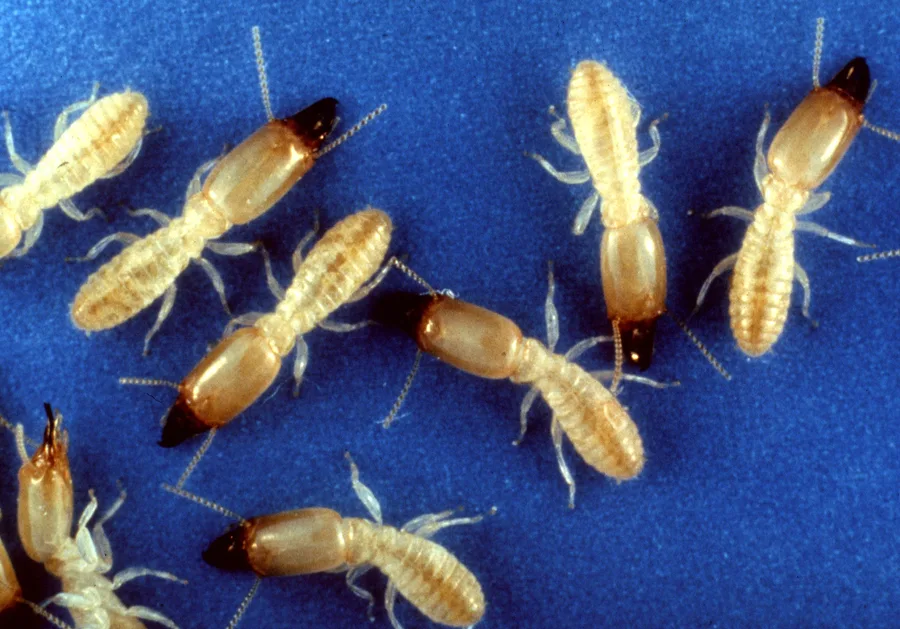
Termite swarmers vs. flying ants: how to tell them apart
Antennae, waist and wings separate termite swarmers from flying ants. Here is how to tell them apart and what swarmers indoors mean.
Prevention · 6 min read
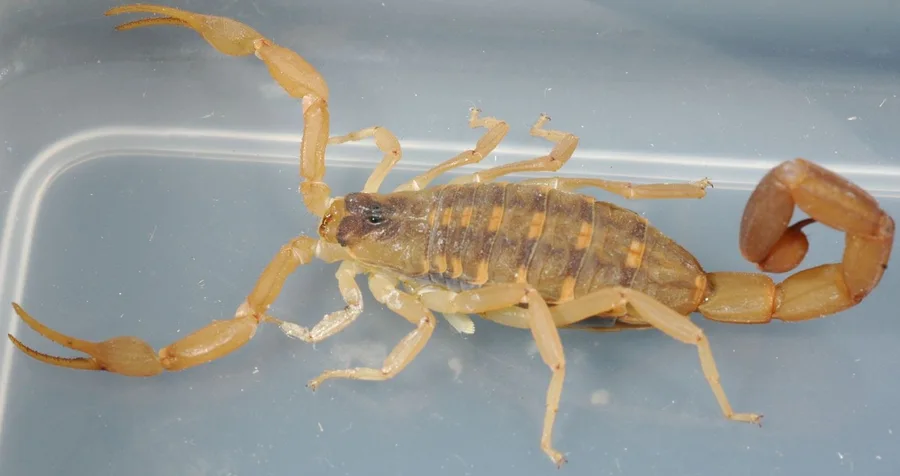
Why scorpions get into North Texas homes, and how to seal them out
Striped bark scorpions climb, hide in cracks and follow insects indoors. Sealing doors, weep holes and gaps keeps most of them out.
Control basics · 6 min read
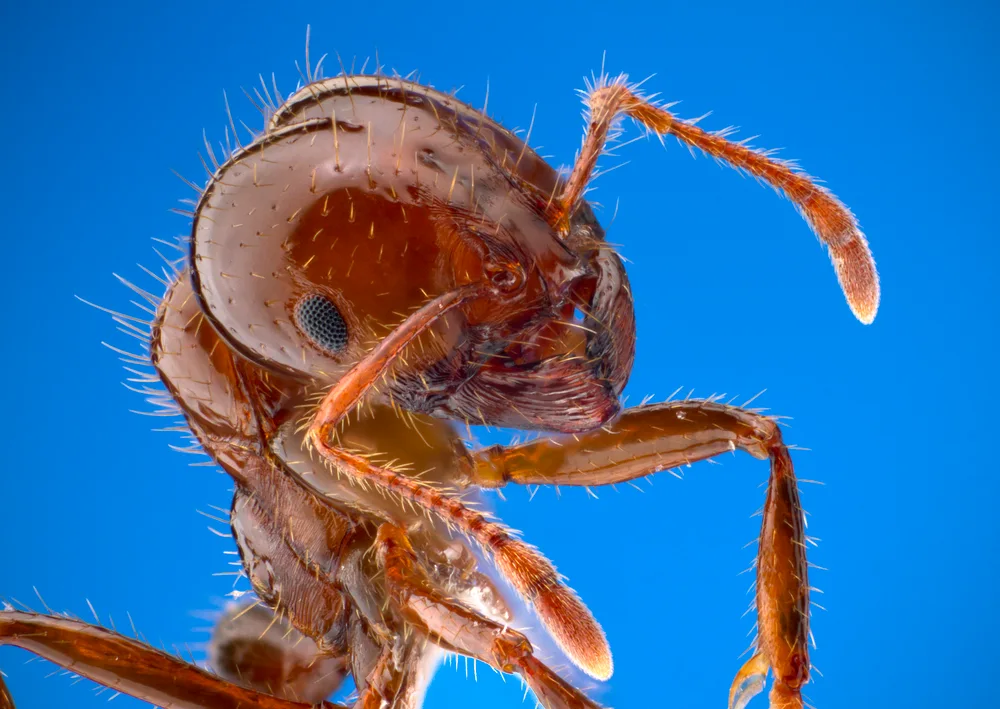
The two-step fire ant method, explained for homeowners
Texas A&M's Two-Step Method pairs yard-wide fire ant baiting with targeted mound treatments. Here is how and when it works.
Prevention · 6 min read
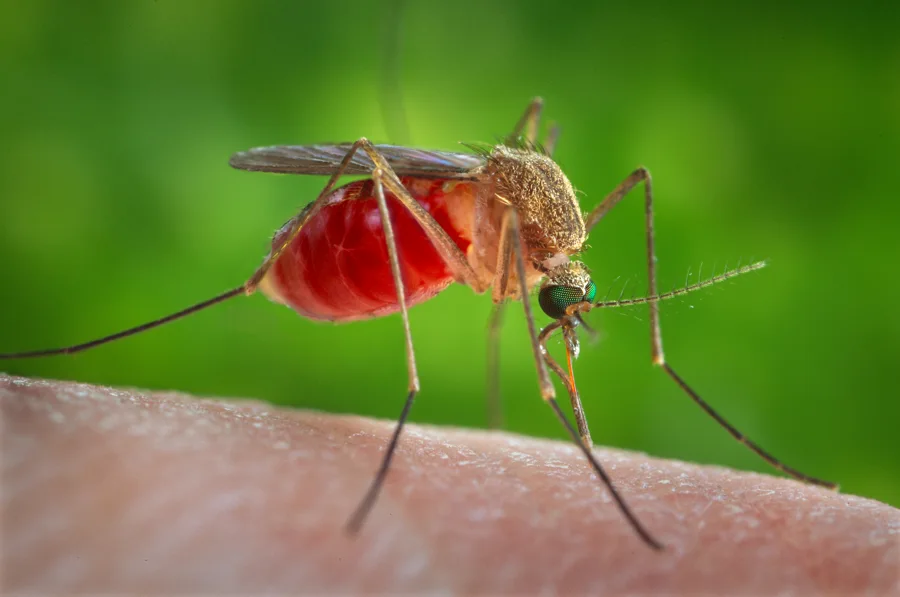
After the storm: a dump-and-drain mosquito checklist for DFW yards
A weekly dump-and-drain routine, West Nile context and CDC repellent guidance to cut mosquito breeding in DFW yards after rain.
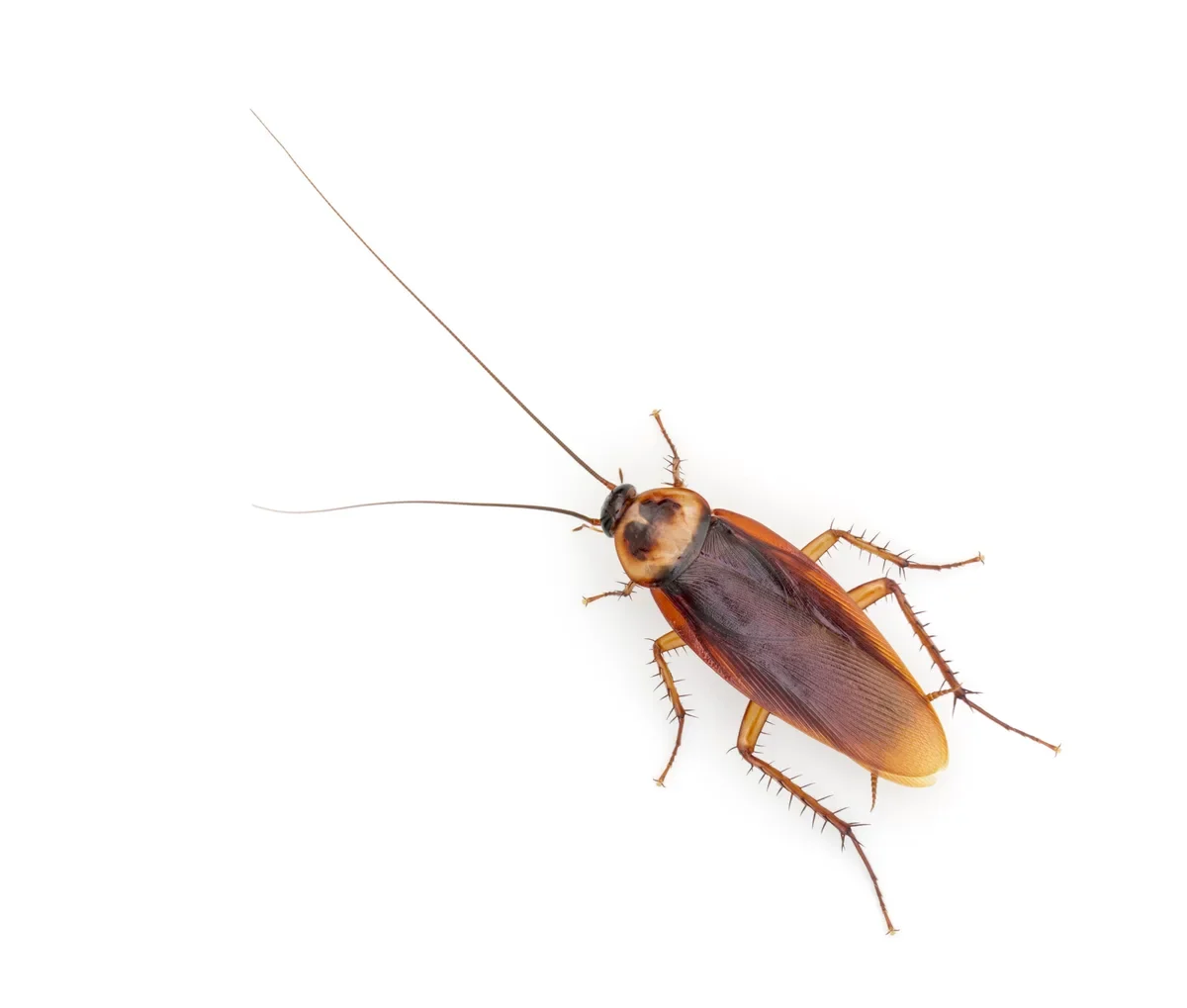
Identification · 6 min read
Why roaches show up after rain (and which kind you're seeing)
Big roaches after a storm are usually outdoor species flushed from wet hiding spots. Small striped ones point to German cockroaches indoors.
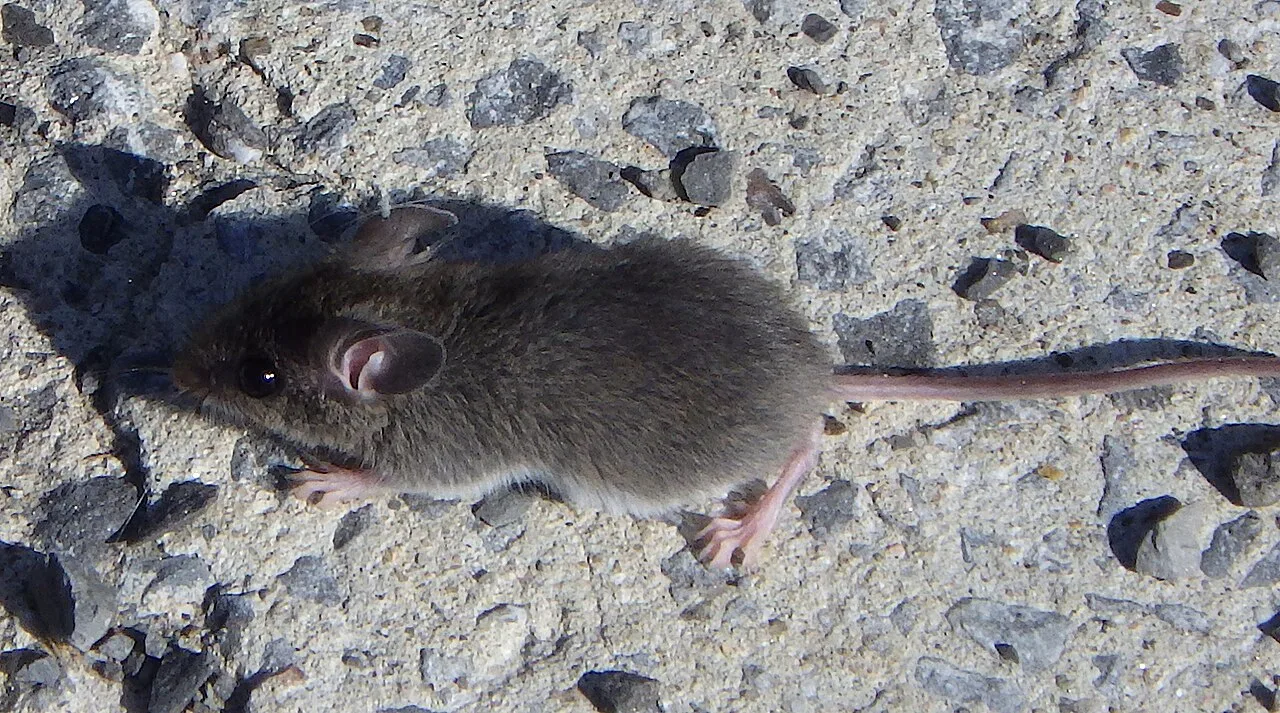
Seasonal · 6 min read
Fall rodent-proofing checklist for Texas homes
Seal quarter-inch gaps, remove food and shelter, and clean droppings the CDC way before mice and rats move in for the cooler months.
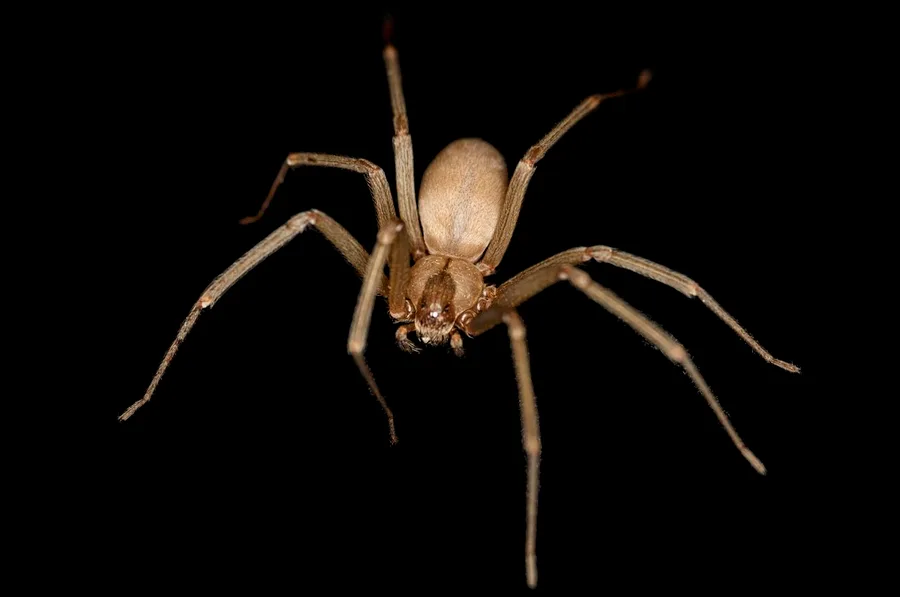
Identification · 6 min read
Brown recluse or look-alike? A spider ID guide for DFW
Six eyes in three pairs, uniform color and no leg spines mark a brown recluse. Learn the look-alikes and what to do after a suspected bite.
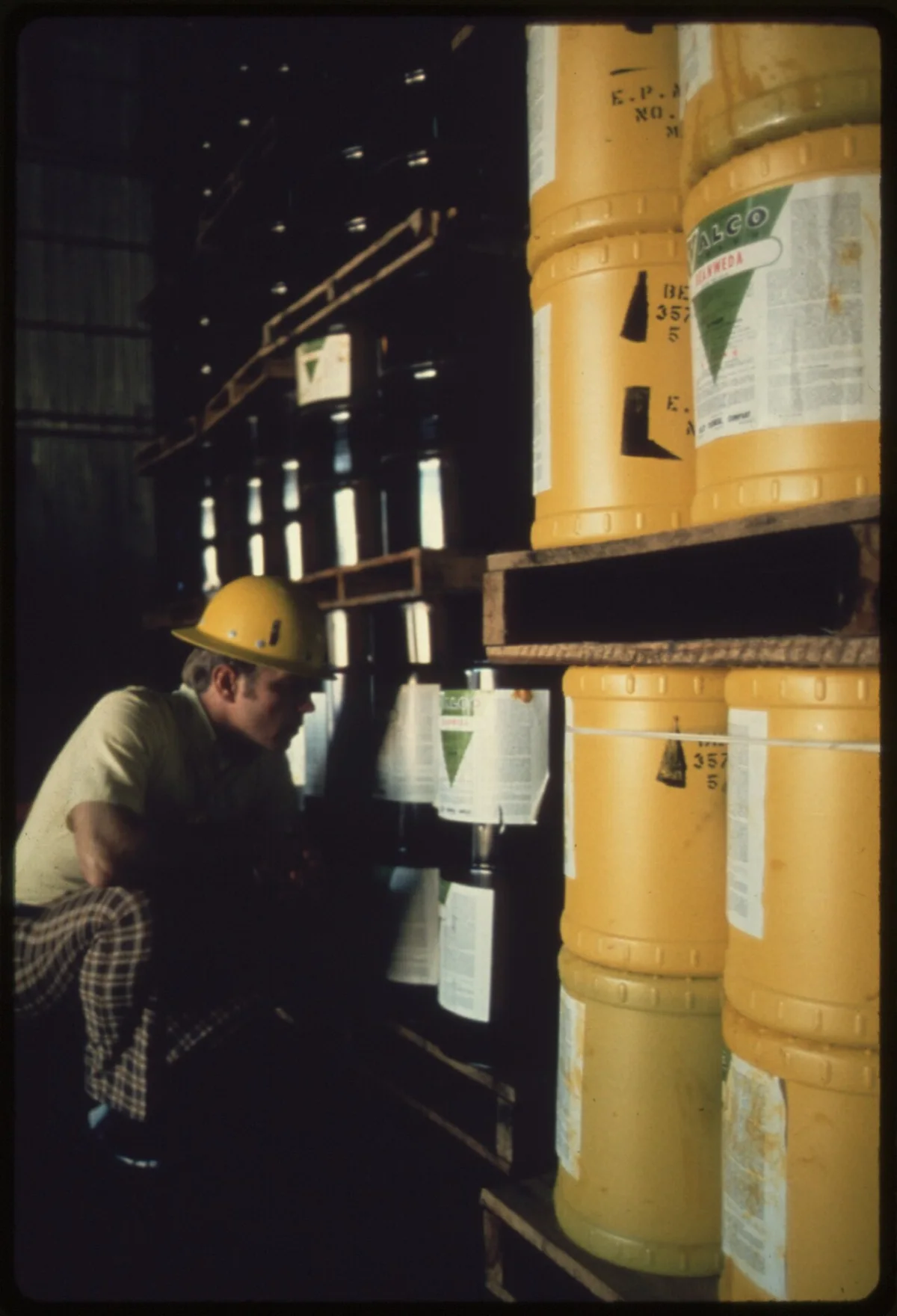
Safety · 6 min read
How to read a pesticide label (and keep kids and pets safe)
Signal words, EPA registration numbers, directions, gear, storage and first aid: how to read a pesticide label and protect kids and pets.
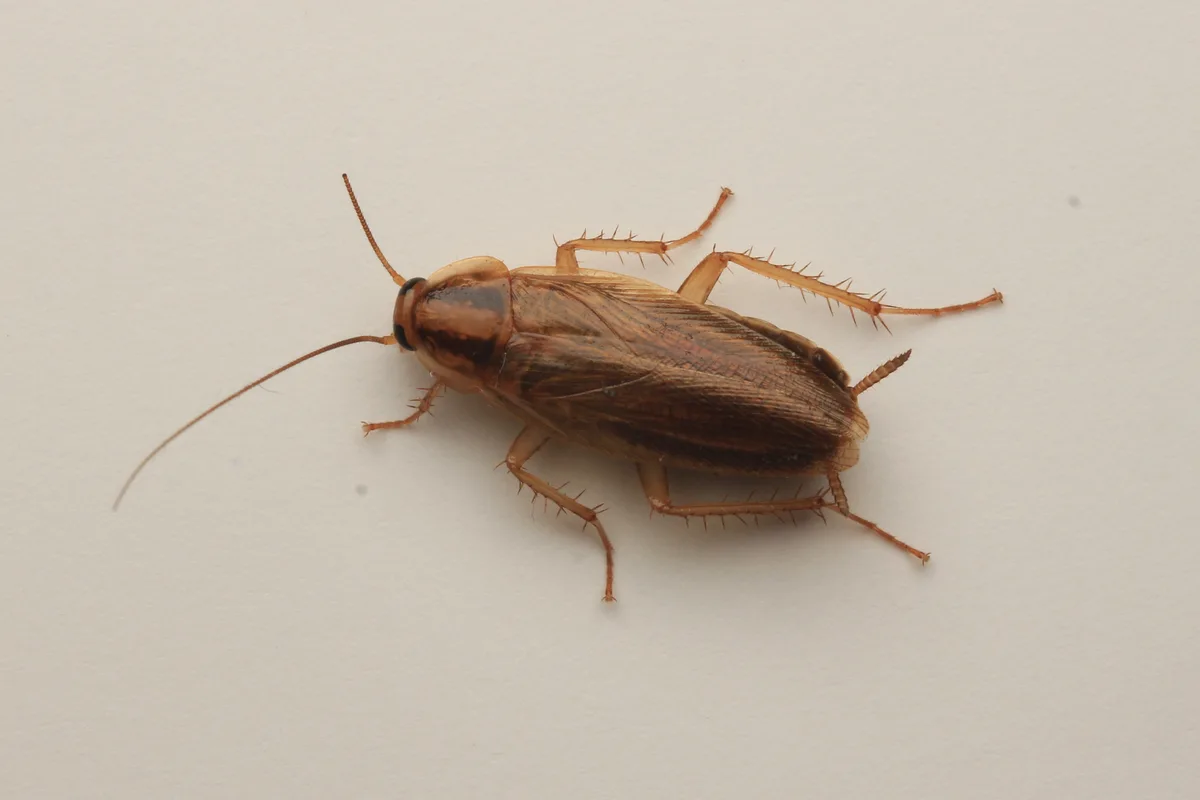
Control basics · 6 min read
Integrated Pest Management at home: a plain-English guide
Inspect, identify, prevent, monitor, treat and evaluate: a plain-English guide to Integrated Pest Management for DFW homes.
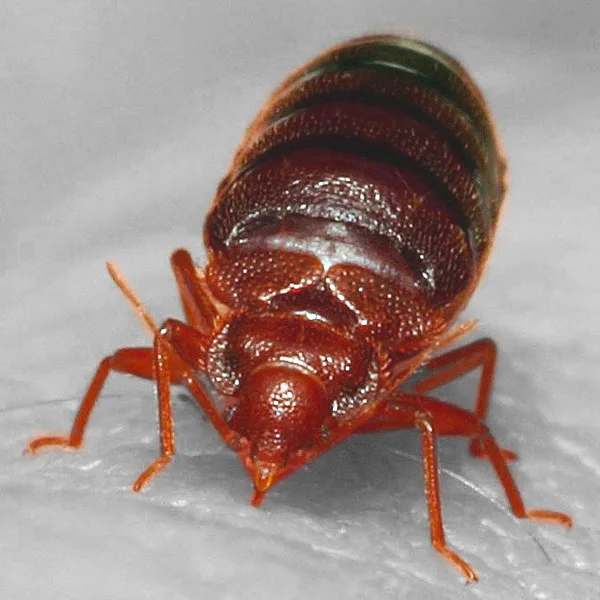
Prevention · 5 min read
Bed bug travel checklist: inspect, contain, unpack
Check the hotel bed and headboard, keep bags off the bed, report signs, and heat-dry clothes when you get home.
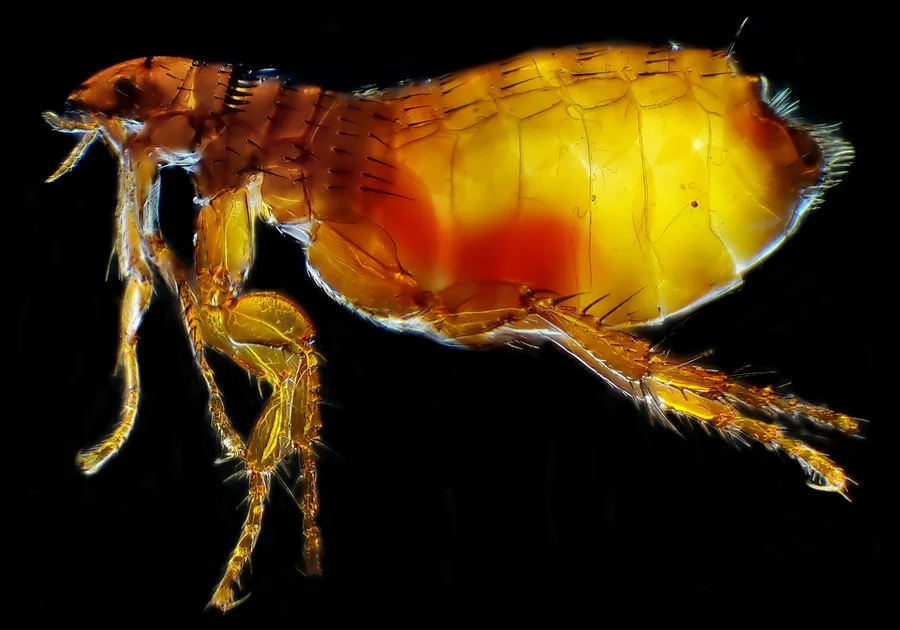
Prevention · 6 min read
Fleas and ticks on DFW pets: yard and home prevention
Cut shade and debris in the yard, vacuum and wash pet bedding, check pets for ticks daily, and ask your vet about on-animal products.
Prevention · 4 min read
10 pest entry points to check around a DFW home
A ground-level walkthrough of ten home entry points, with repair priorities that keep ventilation, drainage and appliance exhaust working.
Control basics · 4 min read
Snap traps, glue boards, and bait stations compared
Compare what snap traps, rodent glue boards and bait stations actually do, their limits and risks, and the questions to ask before choosing a control plan.
Prevention · 4 min read
Leaks, gutters, and drainage: a home moisture audit
Trace persistent moisture from indoor plumbing to gutters and yard drainage, then assign repairs without blocking airflow or treating every damp spot with pesticide.
Prevention · 4 min read
A kitchen and pantry routine that reduces pest access
A practical food-storage and cleanup routine, plus a weekly pantry check that separates prevention from an existing stored-food pest problem.
Control basics · 5 min read
Termite bait systems vs. liquid treatments
Understand how professional subterranean-termite baits and liquid treatments differ, what monitoring involves, and how to compare a proposal without assuming a universal winner.
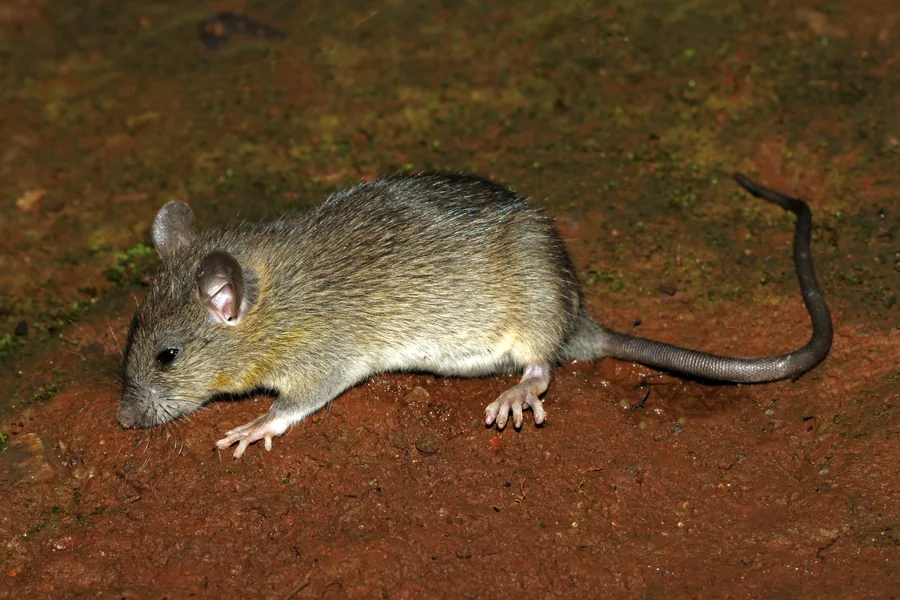
Prevention · 4 min read
Landscaping checks that reduce pest access to your home
A yard-to-wall walkthrough of vegetation, mulch, stored wood, irrigation and outdoor food sources that can hide or support pest access.
Prevention · 4 min read
A pest checklist for moving into a DFW home
Check visible pest signs before move-in, screen incoming belongings, and monitor the first weeks without treating a checklist as professional pest clearance.
Control basics · 4 min read
How to choose a pest control company in Texas
Verify Texas pest-control credentials, compare evidence and treatment scope, and ask about safety, contract terms, warranties, and follow-up before hiring.
Control basics · 5 min read
What a Texas wood-destroying insect inspection does and doesn't tell you
Read a Texas WDI report without mistaking visible findings, previous treatment, or conducive conditions for pest clearance or a structural damage assessment.
Safety · 5 min read
Cockroach and mouse allergens: reducing exposure at home
A careful home-exposure guide to cockroach and mouse allergens, combining pest prevention, safe cleanup and clinician advice without treating every symptom as a pest allergy.
Control basics · 5 min read
Why fleas appear in a DFW home with no pets
Fleas can emerge in a pet-free home after vacancy or come from an unnoticed animal host. Learn how to confirm the insect, investigate room patterns and choose safe follow-up.
Prevention · 5 min read
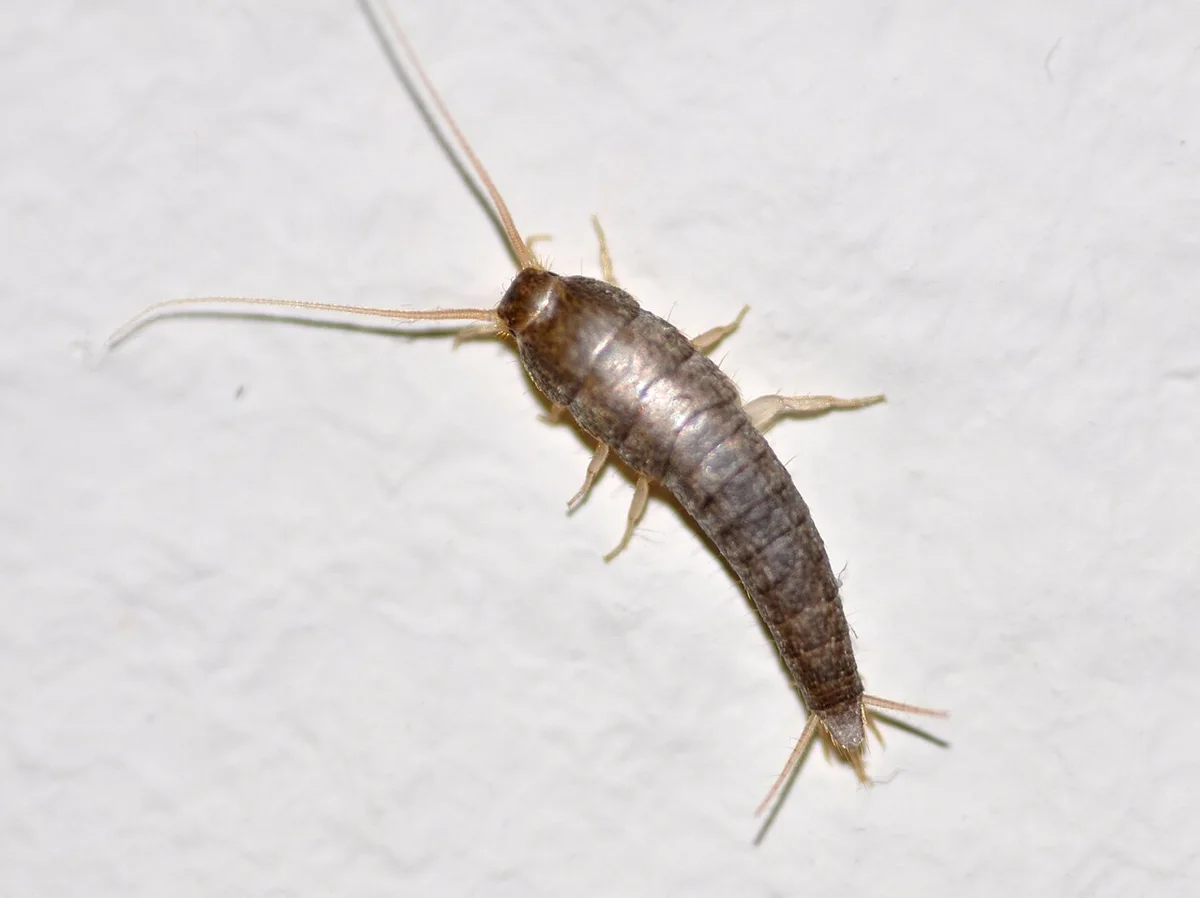
Silverfish in books: protect your home library without damaging it
Found silverfish or damaged pages? Learn how to inspect, isolate and monitor books, reduce moisture, and avoid pest treatments that can harm a DFW home library.
Safety · 4 min read
Bug bombs for roaches: why DFW homes need a different first step
Bug bombs are not a reliable first response to German cockroaches. Learn their control limits, fire and exposure risks, and what DFW renters and homeowners can do instead.
Looking for a specific pest? Browse the pest library.