Field notes · Safety
Cockroach and mouse allergens: reducing exposure at home
A careful home-exposure guide to cockroach and mouse allergens, combining pest prevention, safe cleanup and clinician advice without treating every symptom as a pest allergy.
Updated October 4, 2026 · 5 min read

The short version
- Cockroach and mouse allergens can worsen asthma in people sensitive to them; a pest sighting is not a diagnosis.
- Removing pests and removing allergen-containing debris are separate jobs.
- Use prevention, monitoring and targeted control together rather than relying on broad spraying.
- Never dry-sweep or vacuum rodent urine, droppings or nesting materials, even with a HEPA vacuum.
- A clinician should guide diagnosis and asthma care; severe or unrelieved breathing difficulty needs urgent help.
Reduce cockroach and mouse allergen exposure by stopping the infestation, removing contaminated debris safely and preventing pests from returning. These proteins can trigger allergic reactions or worsen asthma in people sensitive to them, but finding a roach or mouse does not diagnose anyone with allergy or asthma. Home measures support medical care; they do not replace it. NHLBI's allergen-reduction guidance recommends identifying personal sensitivities with a healthcare provider and combining approaches.
For DFW households, the aim is a practical exposure plan, not a promise that cleaning will cure symptoms.
What are cockroach and mouse allergens?
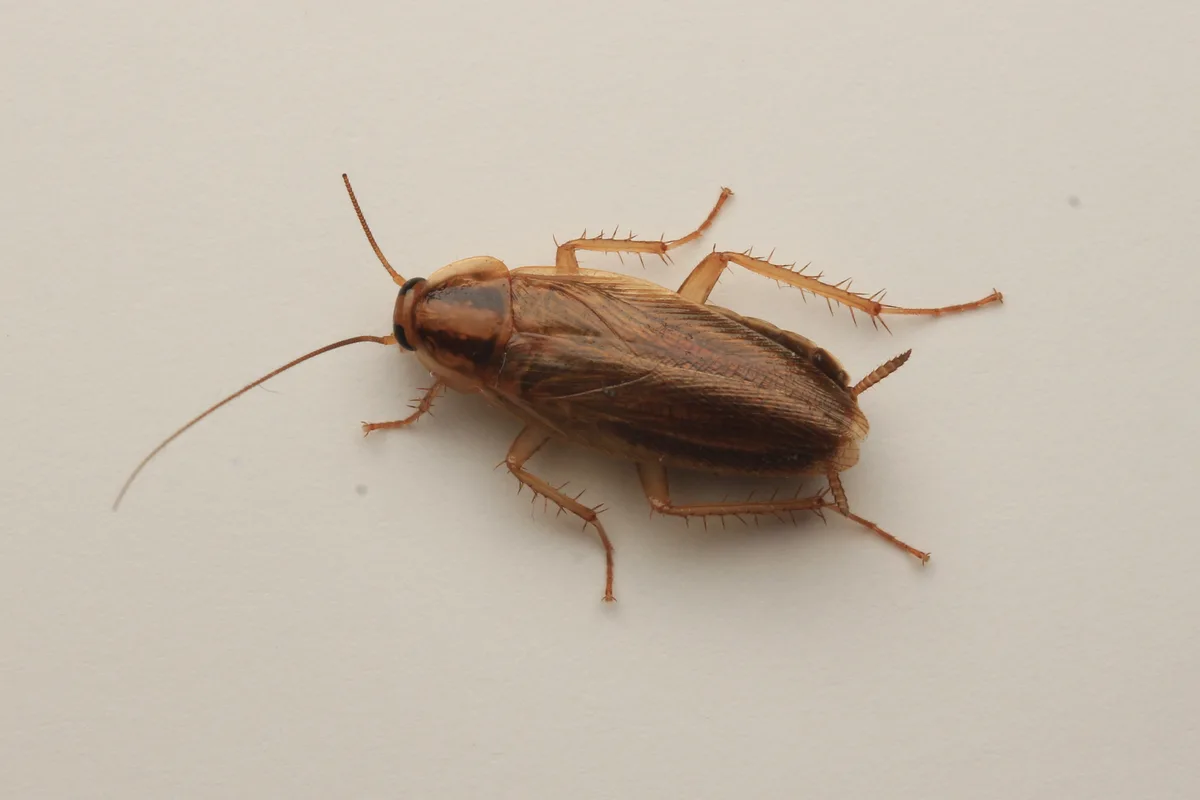
Allergens are substances that can prompt an allergic immune response in a susceptible person. EPA identifies proteins in cockroach feces and saliva as potential causes of allergic reactions or asthma symptoms. Cockroach body parts and droppings also contribute to exposure. Mouse allergens include proteins associated with urine and other animal material.
A peer-reviewed allergy work-group report available through the National Library of Medicine reviews mouse and cockroach allergens in household dust and their association with asthma illness, especially when exposure occurs in sensitized people. Sensitization means the immune system recognizes a particular allergen; a clinician interprets whether that finding explains symptoms.
These are not the same as infections spread by rodents. Allergy control and infectious-disease cleanup are related household concerns, but they require different explanations and precautions.
Does seeing pests mean they caused your symptoms?
No. Exposure, sensitivity and illness are not interchangeable. Some people are sensitive to cockroach or mouse proteins; others are not. Asthma also has other triggers, including smoke, respiratory infections and chemical irritants. A cough after cleaning does not establish mouse allergy, and a clean-looking room does not prove that allergen-containing dust is absent.
If you or a child has recurring wheeze, cough, chest tightness or breathlessness, discuss the symptoms with a clinician. Note when they happen, any pest sightings and the cleaning or pesticide products used. Your provider can decide whether allergy testing, an asthma evaluation or another explanation is appropriate. Do not change prescribed medicines based on this article.
NIEHS recommends medical evaluation for suspected cockroach allergy. This guide cannot diagnose a trigger or predict how much an individual will benefit from exposure reduction.
Why must pest removal and cleanup happen together?
Control removes the continuing source. Cleanup removes material left behind. Killing visible roaches or catching mice does not immediately remove proteins already present in dust, debris or furnishings. The allergy work-group report describes combining pest control, cleaning, repairs and ongoing prevention rather than relying on one intervention.
Start by locating activity and identifying the pest. Use the German cockroach, American cockroach and house mouse profiles for identification, not symptom diagnosis. Our rain-related roach guide explains why an occasional large roach and a recurring indoor population need different investigation.
Record where activity occurs and whether it returns after control. Reduced sightings are useful, but they are not a medical test or proof that all allergens have disappeared.
Which everyday steps reduce continuing exposure?
Use an integrated pest management plan that removes access, food, water and shelter before escalating pesticide use. NIEHS's cockroach-prevention advice and EPA's asthma guidance support these measures.
- Store human and pet food in closed containers and remove spills and crumbs promptly.
- Keep rubbish covered, wash dishes and avoid leaving food in bedrooms.
- Repair or report plumbing leaks and other persistent moisture sources.
- Reduce unnecessary cardboard and clutter near pest activity.
- Seal suitable entry gaps and hiding places; request building repairs when they are outside your control.
- Monitor for continuing activity, and check whether the chosen control is working.
For recurring apartment problems, give management a written record of rooms, dates, leaks and gaps. Texas A&M AgriLife's cockroach guide notes that roaches can move between apartments. Household cleaning cannot substitute for repairing shared building problems. Our home IPM guide supplies the broader process.
How can you clean without spreading rodent contamination?
Do not dry-sweep or vacuum rodent urine, droppings or nesting material. That prohibition applies even to a HEPA vacuum. CDC's rodent-cleanup instructions address the infectious-disease risk of putting contaminated material into the air.
For a limited cleanup, ventilate as CDC directs and wear rubber or plastic gloves. Wet the waste thoroughly with an appropriate disinfectant, allow the label-directed contact time, and remove it with paper towels before cleaning the surrounding hard surfaces. Follow CDC's disposal and handwashing instructions. Use a labeled product rather than an improvised chemical mixture.
Heavy contamination, contaminated insulation or evidence in heating and cooling ducts calls for professional assessment and additional precautions. Someone whose asthma is aggravated by cleaning should not perform a dusty cleanup just to get it finished quickly.
Where does HEPA cleaning help, and where does it not?
For cockroach debris and ordinary dust, AgriLife recommends a vacuum with a HEPA filter because cockroach hiding places may contain allergens. EPA also recommends damp dusting and HEPA vacuuming for household dust, with sensitive people away from the area during vacuuming. Keep the rodent-waste exception above separate from general dust advice.
A filter or air cleaner cannot seal entry holes, stop an infestation or remove every settled allergen. Use it as a supporting measure, not a substitute for source control and cleaning. Decide the cleaning plan with the person affected and, where needed, their clinician.
Can pest-control products make breathing problems worse?
Yes. EPA identifies pesticides and some cleaners as possible chemical irritants that can worsen asthma. "Allergen" and "irritant" are different mechanisms, but either can matter in a household exposure plan.
Choose targeted control rather than broad room spraying by default. AgriLife describes cockroach baits and monitoring as useful tools; CDC recommends snap traps for household rodents. Keep every trap and pesticide inaccessible to children and pets, and follow the exact label. For fogger risks, see bug bombs for roaches and our label-reading guide.
When should you seek medical or urgent help?
Discuss recurring or worsening symptoms with a healthcare provider and follow the individual's asthma action plan. Do not wait for pest control to solve an active breathing problem. NHLBI says to call 911 if asthma medicines are not relieving an attack or breathing remains very hard. Home exposure reduction is follow-up work, not emergency treatment.
This field guide is educational and does not offer treatment bookings.
Common questions
Does finding cockroaches or mice mean I have an allergy?
No. Exposure is not a diagnosis. A healthcare provider can evaluate symptoms and decide whether sensitivity testing or an asthma assessment is appropriate.
Will eliminating the pests immediately eliminate their allergens?
No. Allergen-containing material can remain in dust and debris. Combine source control, safe cleaning, repairs and monitoring rather than assuming dead pests mean all exposure is gone.
Can a HEPA vacuum be used on mouse droppings?
Do not dry-vacuum rodent urine, droppings or nesting materials, even with HEPA filtration. Follow CDC's disinfectant wetting and removal instructions. General HEPA dust-cleaning advice does not override this exception.
Can household cleanup replace asthma treatment?
No. Exposure reduction supports a clinician-guided plan. Follow the individual's asthma action plan, and call 911 if medicines are not relieving an asthma attack or breathing remains very hard.
Sources
Suspects in this article
- Dossier · InsectsAn indoor suspect. Learn the identifying marks, food and moisture fixes, and bait options.
- Dossier · InsectsA large outdoor suspect. Check drains, damp hiding places and the way indoors.
- Dossier · RodentsSmall openings can mean big trouble. Start with exclusion, sanitation and careful trapping.
More field notes
- Control basicsInspect, identify, prevent, monitor, treat and evaluate: a plain-English guide to Integrated Pest Management for DFW homes.
- SafetySignal words, EPA registration numbers, directions, gear, storage and first aid: how to read a pesticide label and protect kids and pets.
- SafetyBug bombs are not a reliable first response to German cockroaches. Learn their control limits, fire and exposure risks, and what DFW renters and homeowners can do instead.
- IdentificationBig roaches after a storm are usually outdoor species flushed from wet hiding spots. Small striped ones point to German cockroaches indoors.