Pest dossier · Roaches
American cockroaches
A large outdoor suspect. Check drains, damp hiding places and the way indoors.
Last updated October 3, 2026

Nest and infestation identification
American cockroaches hide in damp protected spaces. An occasional large roach indoors may be entering from outside; it does not by itself prove indoor breeding.
What to look for
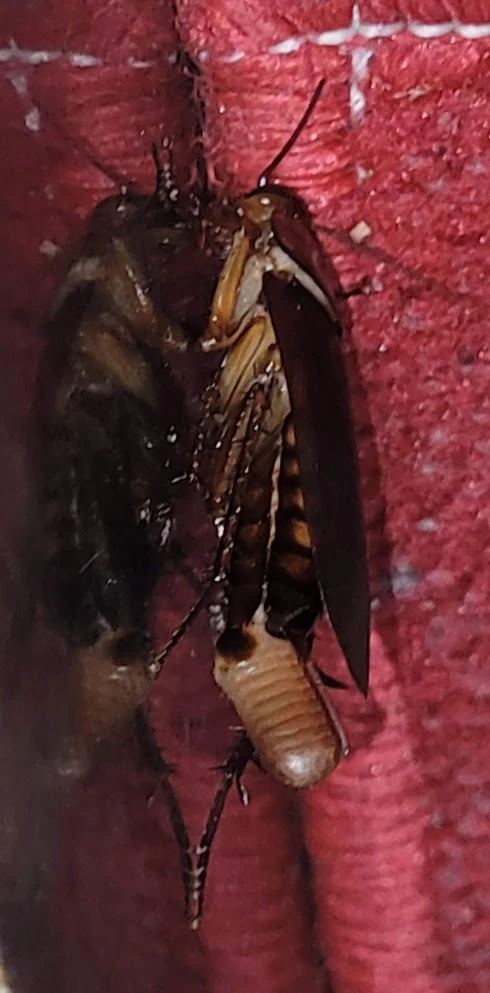
- Dark droppings, egg capsules, shed skins and repeated live roaches near the same route.
- Nymphs as well as adults, which warrant checking for nearby breeding shelter.
- Contaminated food or waste areas. These signs are different from wood-eating insect damage.
Where to inspect
Check accessible floor-drain surrounds, utility rooms, garage edges, door thresholds and plumbing gaps. Outside, look around damp debris and sheltered foundation edges without opening sewer or utility equipment.
What can fool you
The nickname "waterbug" covers several roaches. Larger roach droppings can be confused with small rodent pellets; have the insect or a clear photograph identified rather than choosing a pesticide from droppings alone.
Check safely
Use location notes and protected monitors to separate repeated entry from a breeding population. Do not reach into drains, remove electrical covers or put insecticide into a drain without an applicable label.

American cockroach control starts with closing entry points and reducing damp outdoor shelter. A large waterbug indoors calls for an inspection of drains and doors, not an automatic whole-room spray.
Know the suspect
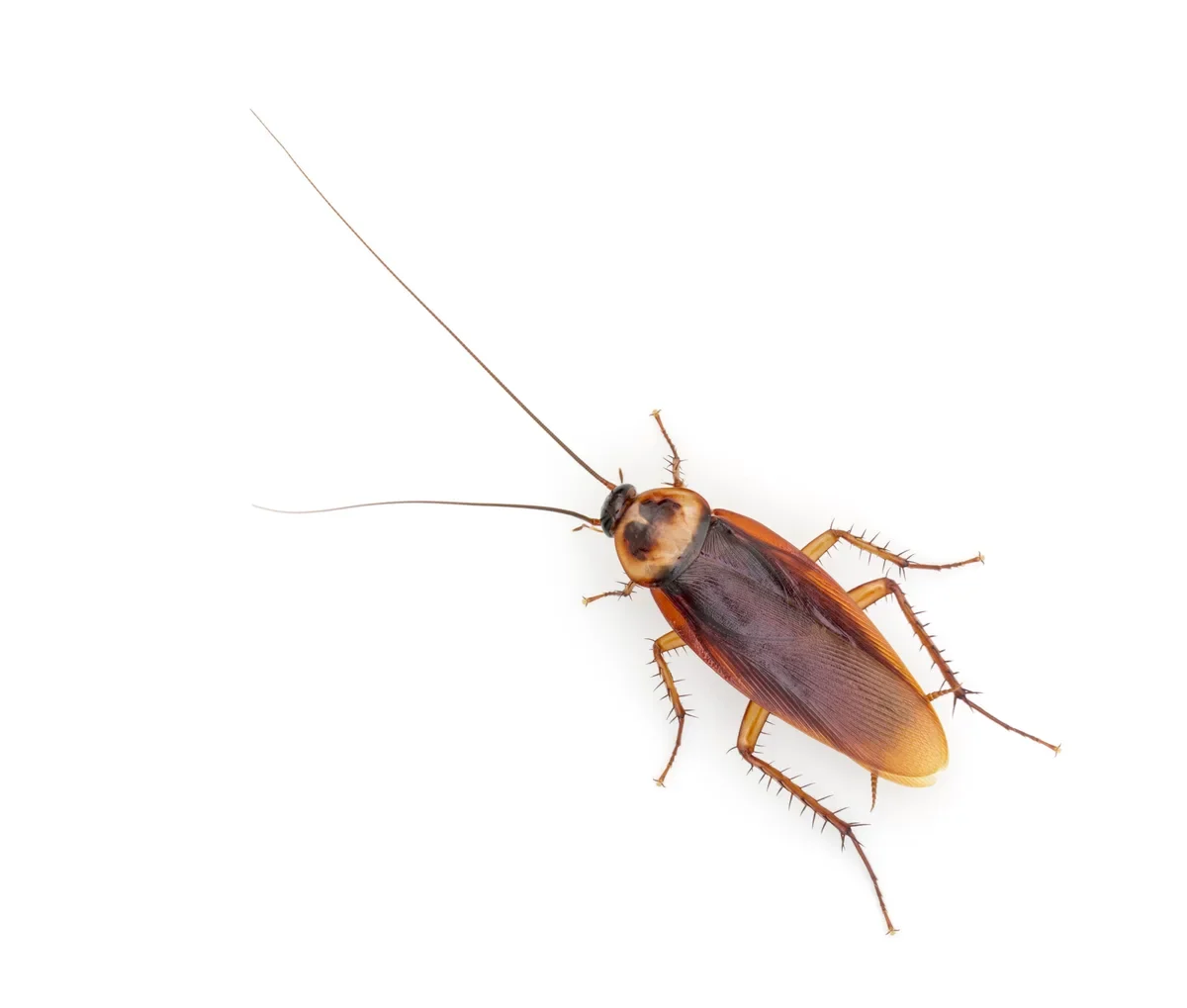
Adults are reddish brown, about 1 1/2 to 2 inches long, with a pale yellow border on the shield behind the head. Both sexes have wings. In a DFW home, check utility areas, garages and floor drains; outdoors, check moist debris and sewer connections. American roaches can enter through poorly sealed doors and drains. "Waterbug" is a nickname, not a species identification. Texas A&M identification guide
Compare the actual animal and its markings with an Extension identification guide.
What they can do
Cockroaches may transfer disease-causing organisms and produce allergens associated with asthma. Finding one does not establish that anyone has an illness or that an indoor breeding population is present. Texas A&M cockroach overview
Start with control, not a spray
- Inspect door thresholds and plumbing gaps; repair suitable openings.
- Keep drain P-traps supplied with water so the sewer barrier remains intact.
- Repair leaks and remove wet items left on the floor.
- Reduce accumulated leaf litter, wood and other damp shelter near the building.
- Secure food and waste; use sticky monitors near suspected routes, out of reach of children and pets.
Sticky monitors help locate entry routes; they do not replace source repairs. Keep a record of where roaches appear before choosing a treatment. Texas A&M guidance
Chemicals you may encounter
Extension names boric acid in cockroach dust products, and hydramethylnon in cockroach baits. These are active-ingredient examples, not recommendations for a particular drain or home. Do not put dust on food-contact surfaces or contaminate bait with sprays. Texas A&M guidance Extension ingredient overview
The label is the law. Use a product labeled for the actual pest and location, and follow its directions for placement, amounts, protective equipment and re-entry. Keep products and treated areas away from children and pets as the label directs. Never use an outdoor-only pesticide indoors or assume more product works better. EPA pesticide safety
Seasonal watch
Use North Texas warm-weather yard checks and any increase in indoor sightings as prompts to inspect damp shelter, thresholds and drains. This mostly outdoor species can enter for food or water; a season is not proof of an infestation. Texas A&M guidance
When to get help
Repeated indoor sightings or an unclear drain-entry problem warrants help from a qualified, licensed pest professional. Ask for identification, entry-point inspection and monitoring, rather than simply more spray.
This field guide is educational and does not offer treatment bookings.
Common treatments
Fix leaks, seal entry points and remove food and shelter first. Labeled cockroach baits and targeted dusts may support that work. Keep dust off exposed shelves and food-contact surfaces, and do not contaminate bait placements with sprays. These ingredient examples do not authorize treatment of a drain or utility enclosure.
Ingredient references
These are examples discussed in pest guidance, not a shopping list. The exact product label must cover the pest, location and use. An ingredient name alone does not establish suitability or Texas registration.
Read the pesticide-label guide or browse the treatment catalog.
Common questions
Is a waterbug always an American cockroach?
"Waterbug" is a nickname, not a species identification. Compare the actual insect with an Extension identification guide.
Why check floor drains?
American roaches can enter through drains. Keep P-traps supplied with water so the sewer barrier remains intact.
Does one roach prove an indoor infestation?
Finding one does not establish that an indoor breeding population is present. Inspect entry routes and monitor activity.
Field notes on this suspect
- Field notes · SeasonalA weather-dependent, season-by-season guide to the pests North Texas homeowners commonly see, with what to watch and what to do.
- Field notes · IdentificationBig roaches after a storm are usually outdoor species flushed from wet hiding spots. Small striped ones point to German cockroaches indoors.
- Field notes · PreventionA ground-level walkthrough of ten home entry points, with repair priorities that keep ventilation, drainage and appliance exhaust working.
- Field notes · PreventionTrace persistent moisture from indoor plumbing to gutters and yard drainage, then assign repairs without blocking airflow or treating every damp spot with pesticide.
- Field notes · PreventionA yard-to-wall walkthrough of vegetation, mulch, stored wood, irrigation and outdoor food sources that can hide or support pest access.
- Field notes · SafetyA careful home-exposure guide to cockroach and mouse allergens, combining pest prevention, safe cleanup and clinician advice without treating every symptom as a pest allergy.