Pest dossier · Spiders/scorpions
Black widow spiders
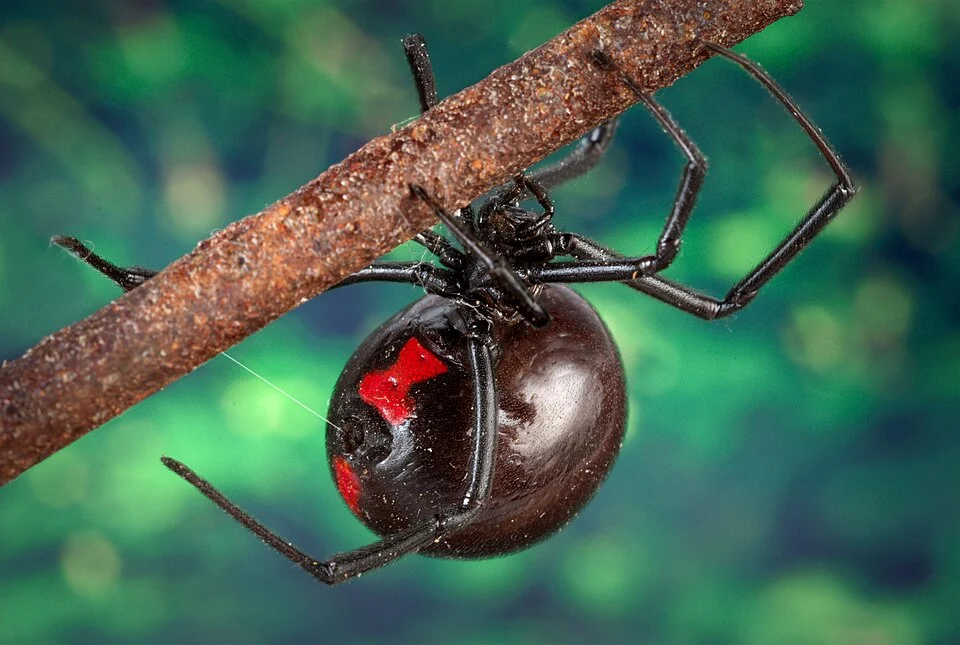
A sheltered-web suspect. Inspect woodpiles and garage corners without touching the spider.
Last updated October 3, 2026

Nest and infestation identification
Black widows use sheltered irregular webs. An occupied web and a correctly identified spider are stronger evidence than web shape alone.
What to look for
- Strong, tangled webbing in a protected, rarely disturbed space.
- A rounded adult female spider and silk egg sacs associated with the web.
- Activity around woodpiles, garage corners, outdoor furniture or stored equipment.
Where to inspect
Look before touching handles, moving firewood or reaching under outdoor objects. Inspect from outside the suspected shelter; do not put your hand into a web or utility box.
What can fool you
Other spiders make tangled webs and silk egg sacs. Widow markings vary by species, age and sex; a missing obvious red mark is not a safety test. White spotting or droppings do not establish widow identity, and widows do not chew structural wood.
Check safely
Photograph from a distance and have uncertain specimens identified. Do not pick up a spider or turn it over to see an hourglass. Leave occupied or inaccessible sites to qualified help, especially near children. A suspected bite needs prompt medical advice, not a closer nest inspection.
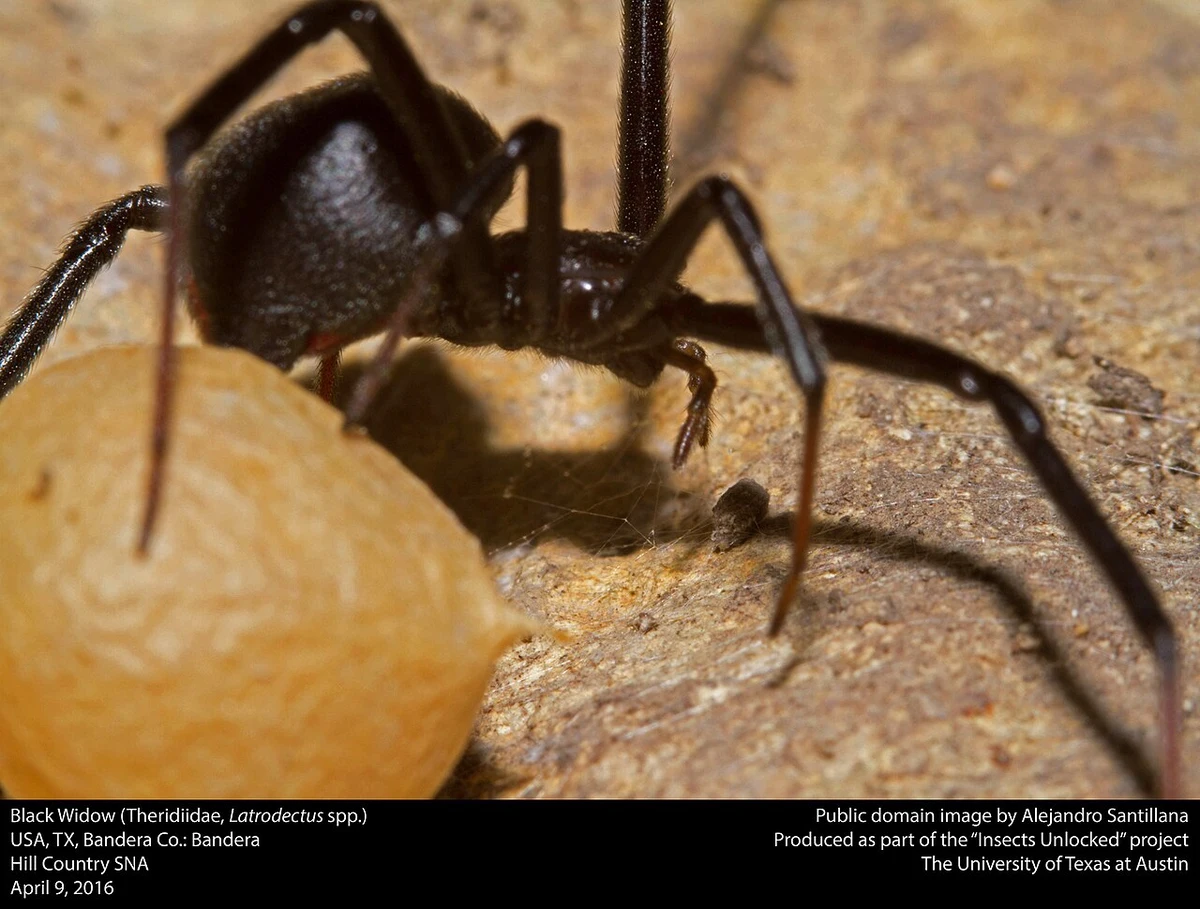

Black widow prevention starts with reducing undisturbed shelter and avoiding bare-handed contact. Inspect carefully before moving outdoor equipment or firewood, and do not rely on a single marking to clear a spider as harmless.
Know the suspect
Adult female black widows are generally shiny black with a rounded abdomen and often a red hourglass underneath. Markings vary; males and juveniles may look quite different. In DFW, inspect woodpiles, sheltered garage corners, meter-box surrounds and outdoor furniture without reaching into webs or opening utility equipment. Strong, irregular webs and protected openings provide shelter; doors and stored materials can bring contact indoors. Texas A&M widow identification guide
Compare the actual animal and its markings with an Extension identification guide.
What they can do
Widows usually bite when threatened or pressed against skin. Their venom affects the nervous system and can cause serious pain and other illness. Bites can be more dangerous for children, older adults and people with health conditions. A painful skin mark alone does not identify the spider or establish a widow bite. Texas A&M guidance
Start with control, not a spray
- Wear gloves while moving firewood or stored equipment.
- Inspect sheltered handles, crevices and webs before placing hands near them.
- Move wood and debris away from the house where practical.
- Reduce dense vegetation touching the building.
- Use tight-fitting containers and reduce undisturbed garage clutter.
- Repair suitable entry gaps and avoid unnecessary light attraction at doors.
Do not pick up a suspected widow to inspect its underside. Remove reachable webbing only when it can be done without close contact; inaccessible or occupied sites need qualified help. General spider guidance favors shelter reduction and mechanical control, not routine whole-yard spraying. Texas A&M guidance
Chemicals you may encounter
Extension discusses deltamethrin and bifenthrin among pyrethroid spider-control ingredients. These are examples, not a recommendation for every garage corner or woodpile. Spiders can avoid treated surfaces by staying on webs, so insecticide alone may disappoint. Treatment must be labeled for the spider and site and should accompany shelter and prey reduction. Extension label-reading guidance Extension chemical-control limits
The label is the law. Use a product labeled for the actual pest and location, and follow its directions for placement, amounts, protective equipment and re-entry. Keep products and treated areas away from children and pets as the label directs. Never use an outdoor-only pesticide indoors or assume more product works better. EPA pesticide safety
Seasonal watch
Use North Texas warm-weather yard work and seasonal firewood handling as prompts to inspect sheltered webs. These activity-based checks are not a fixed widow calendar or proof that a winter garage is clear. Take contact precautions whenever moving rarely disturbed materials.
When to get help
A qualified, licensed pest professional is warranted for repeated suspected widows near people or unsafe access to occupied shelter. Seek prompt medical care for a suspected black widow bite, especially with severe pain or whole-body symptoms. Do not delay care to capture or handle a spider. Texas A&M guidance
This field guide is educational and does not offer treatment bookings.
Common treatments
Reduce prey and shelter and avoid handling spiders or egg sacs. Targeted, labeled spider treatments may supplement that work. Spiders can remain on webs rather than cross treated surfaces, so insecticide alone can disappoint. Confirm that the exact label covers the spider and location; seek qualified help for hidden activity or difficult access.
Ingredient references
These are examples discussed in pest guidance, not a shopping list. The exact product label must cover the pest, location and use. An ingredient name alone does not establish suitability or Texas registration.
Read the pesticide-label guide or browse the treatment catalog.
Common questions
Do all black widows look the same?
No. Adult females often have a red hourglass underneath, but markings vary and males and juveniles may look different.
Should I turn a live spider over to inspect it?
No. Do not pick up a suspected widow to inspect its underside.
When is medical care warranted?
Seek prompt medical care for a suspected black widow bite, especially with severe pain or whole-body symptoms.